
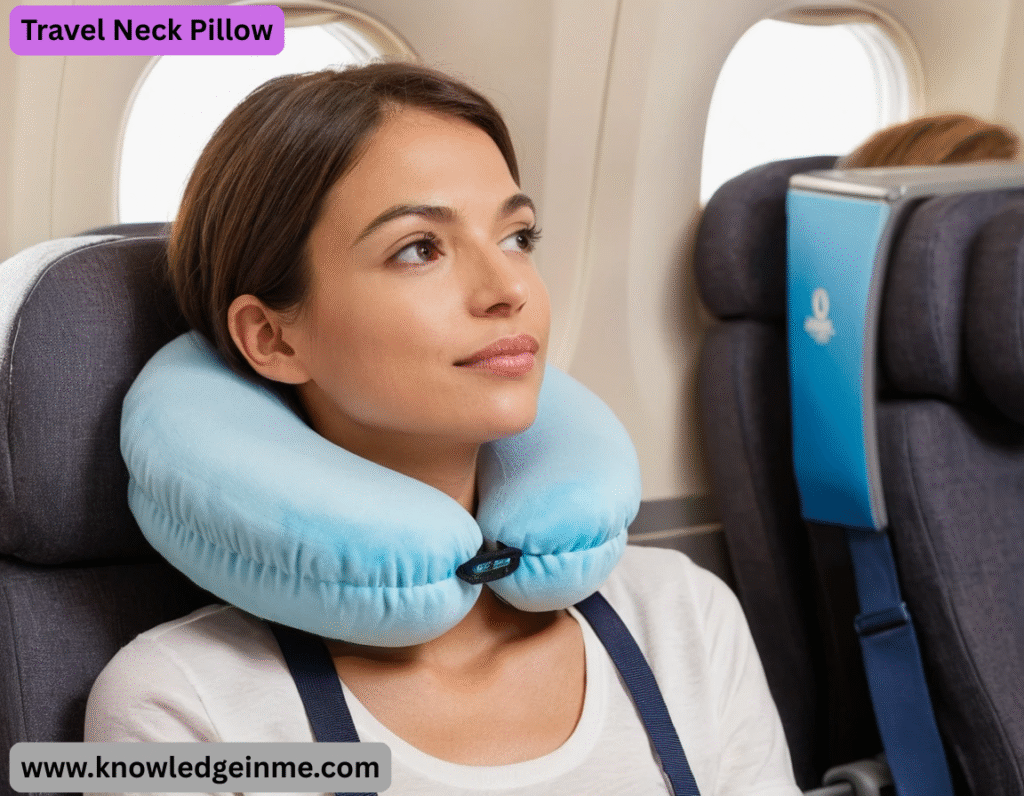

Travel Neck Pillow Of course! Here’s a comprehensive guide to everything you need to know about travel neck pillows, helping you choose the perfect one for your next journey.
In-Depth Guide to Choosing a Travel Neck Pillow
A good neck pillow isn’t a luxury; it’s a tool for arriving at your destination feeling rested and without a stiff neck.
Types of Neck Pillows & Materials
Memory Foam
- How it feels: Firm, supportive, and contours to the shape of your neck and jaw.
- Best for: Side-sleepers and those who need serious cervical support.
- Considerations: The bulkiest option, but many come with compression straps or bags.
Inflatable
- How it feels: Adjustable from soft to firm by adding/removing air.
- Best for: Backpackers and anyone with limited carry-on space.
- Considerations: The “pool float” feel isn’t for everyone. The plastic can cause sweating.
Microbead / Buckwheat
- How it feels: Soft, malleable, and molds itself around your neck like a beanbag.
- Best for: Those who want a soft, conforming feel and don’t need rigid support.
- Considerations: Offers little structural support. The beads can make a slight rustling noise and the pillow can be surprisingly heavy.
Hybrid (e.g., Memory Foam Core with Inflatable Sides)
- How it feels: The balanced choice—core support with customizable fit.
- Best for: Travelers who want the best of both worlds.
- Considerations: Often at a higher price point.
Design & Shape: It’s Not Just a “C” Anymore
- Traditional “C” Shape: The classic. Works well if you tend to lean to one side.
- “U” Shape / Contoured: Often more ergonomic, with a taller back to support the head.
- Ergonomic / 3D Design (e.g., Trtl, J-Pillow): These use a more structured design to actively hold your head upright. The Trtl Pillow, for example, uses a hidden plastic support brace inside a soft scarf. It’s scientifically proven to be better for keeping your head upright but feels very different from a traditional pillow.
- Wrap-Around / 360°: Provides support in every direction, good for those who move around in their sleep.
- Hooded Pillows: Combine a neck pillow with a built-in hood and eye mask for ultimate privacy and light-blocking.
Key Features to Look For
- Cover: A machine-washable cover is non-negotiable for hygiene. Look for soft, breathable fabrics like velour or fleece.
- Clasp or Buckle: Allows you to secure the pillow to your backpack or carry-on.
- Compression Sack: A must-have for memory foam pillows to reduce bulk.
- Size & Packability: Consider how much space you’re willing to sacrifice in your bag. Inflatable wins here.
- Breathability: If you tend to get hot, look for pillows with mesh panels or breathable covers.
- How to Make the Final Decision: A Simple Checklist
Ask yourself these questions:
What is my primary sleeping position on a plane/train?
- Side Sleeper: Go for a firmer, supportive Memory Foam pillow with a pronounced contour.
- Forward-Drooper: An Ergonomic pillow (like Trtl) is your best bet to prevent chin-to-chest slumping.
- Back Sleeper: A traditional “U”-Shaped memory foam or microbead pillow works well with a headrest.
How important is packability?
- Top Priority: Inflatable is the only choice.
- Somewhat Important: Look for a Memory Foam pillow with a good compression sack.
- Not Important: You have your pick of the litter.
What’s my budget?
- Budget (< $20): A basic inflatable or simple memory foam pillow.
- Mid-Range ($20 – $50): High-quality memory foam, ergonomic designs, and hybrids.
- Premium (> $50): Luxury materials, advanced ergonomic designs, and branded options like Cabeau.
Top-Rated Brand Examples
- Cabeau Evolution S3: A top-tier memory foam pillow known for its high sides, supportive core, and effective compression system.
- Trtl Pillow (Cooling & Original): The standout ergonomic option. Scientifically supported, incredibly packable, but has a unique feel.
- Ostrich Pillow Go: A unique 360° wrap-around design that offers full support and can be used in multiple positions.
- BCOZZY: A popular chin-supporting pillow that is great for side-sleepers as it hugs the neck and prevents the head from falling forward.
Pro Tips for Using Your Neck Pillow
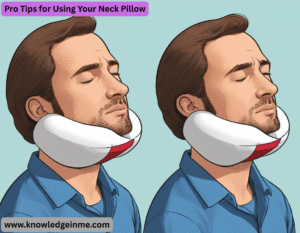
- Position it Correctly: The opening should be at the front of your neck, not the back. This allows the pillow to cradle your jaw and the back of your head.
- Use it with the Seat’s Headrest: Lean into the pillow and press your head back against the seat’s headrest. The pillow fills the gap between your neck and the seat.
- It’s Not Just for Necks! Use it as a lower back pillow, a regular pillow for napping in airports, or even to prop up a tablet for hands-free viewing.
Beyond the Basics: Advanced Considerations
The Science of Support: It’s About the Gap
- The primary purpose of a neck pillow is to fill the gap between your neck/shoulders and the headrest. When you fall asleep, your neck muscles relax, and your head can droop to the side or forward, straining ligaments. A good pillow provides passive support to prevent this.
- Traditional C-Pillows: Mainly prevent side-to-side drooping.
- Ergonomic Pillows (like Trtl): Specifically designed to prevent forward-head drooping, which is the most common and stressful

position on a plane.
Niche & Innovative Pillow Designs
- The “No-Pillow” Pillow (Hoodie Pillow): These are essentially oversized, padded hoods that provide 360° support and create a dark, private cocoon. Great for avoiding awkward neighbor interactions.
- The Modular Pillow (e.g., FaceCradle): A more complex system with multiple pads and straps designed to support your head, neck, and hands in a specific forward-leaning position. It’s bulky but offers a unique sleep solution.
- The Luxury Pillow (e.g., Tempur-Pedic): Uses the brand’s proprietary TEMPUR material for ultimate pressure relief. It’s a premium option for those who want the best of the best and don’t mind the price or bulk.
- The Ultimate Decision Matrix: Find Your Perfect Match
Answer these questions to find your type:
When you sleep sitting up, what does your head do?
- A) Falls straight forward onto my chest. → Ergonomic Brace Pillow (Trtl)
- B) Drops to one side towards my shoulder. → Contoured Memory Foam Pillow (Cabeau)
- C) It does a bit of everything – I toss and turn. → Wrap-Around or 360° Pillow (BCOZZY, Ostrich)
- D) It stays relatively upright, I just need something soft to lean on. → Soft Microbead or Fiberfill Pillow
What’s your #1 priority?
- A) Comfort & Support above all else. → High-Quality Memory Foam
- B) Packing Small. I‘m a one-bag traveler. → Inflatable or Ergonomic Brace Pillow
- C) Versatility. I want to use it in multiple ways. → Wrap-Around or Shredded Foam Pillow
- D) Staying Cool. I overheat easily. → Gel-Infused Foam or Breathable Mesh Pillow
How do you feel about “gear”?
- A) I love techy solutions. Show me the latest innovation. → Ergonomic or Modular Pillows
- B) I’m a traditionalist. I want something simple and proven. → Classic C or U-Shaped Memory Foam
- C) I’m a minimalist. The less stuff, the better. → High-End Inflatable (like Aeris)
Creative Uses for Your Travel Neck Pillow (You Paid for It, Use It!)
Your pillow’s usefulness doesn’t end at your airplane seat. - Lumbar Support: Wear it backwards to cushion your lower back against hard seats.
- Child Booster Seat: Provides a safe and comfortable height boost for a small child at a restaurant or in a stadium.
- Knee Pillow: Place it between your knees when side-sleeping in a hotel bed to align your hips.
- Armrest Cushion: Makes those hard plastic armrests bearable.
- Improvised Camera Bag / Equipment Protector: Wrap it around a delicate item in your luggage.
- A Cozy Scarf (Trtl-style): The Trtl and similar designs are literally meant to be worn like a scarf.

