
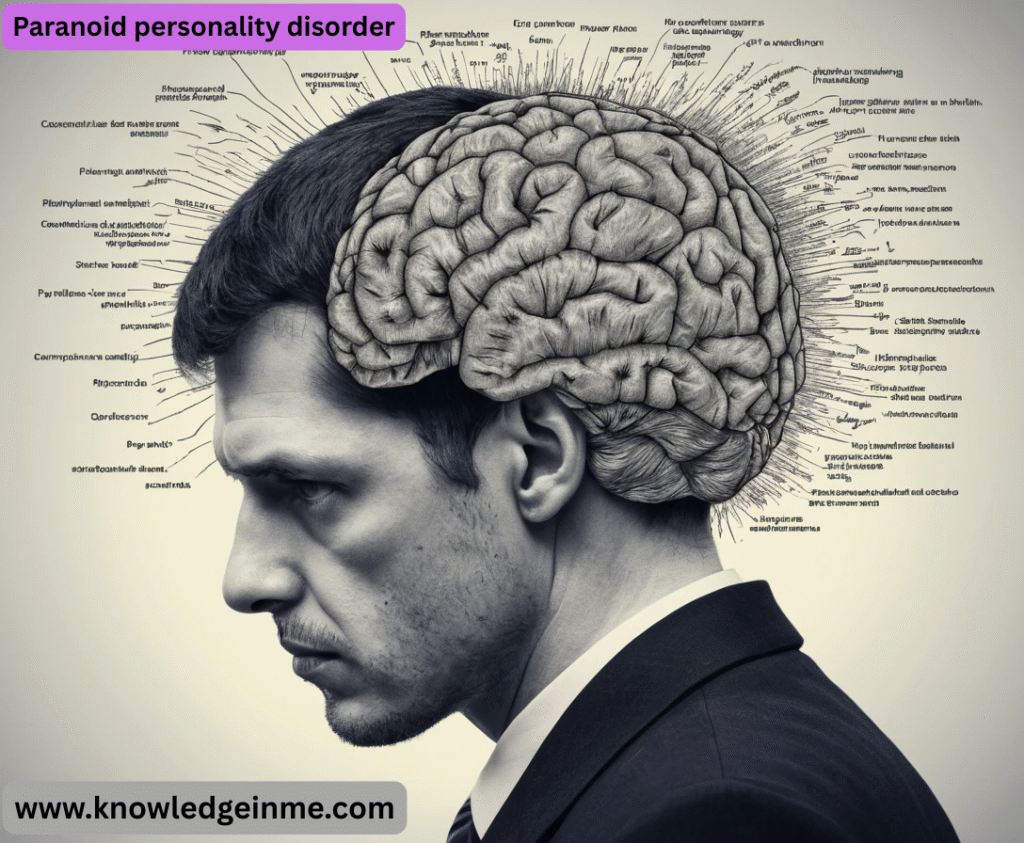

Paranoid personality disorder Paranoid Personality Disorder is a chronic mental health condition characterized by a long-standing pattern of pervasive distrust and suspicion of others. Individuals with PPD almost always interpret the motives of others as malicious, even when there is no evidence to support this belief. This is not a fleeting paranoia; it’s an enduring and inflexible pattern that dominates their thinking and behavior, causing significant distress and impairment in their personal and professional lives.
Key Symptoms and Characteristics
According to the DSM-5 (Diagnostic and Statistical Manual of Mental Disorders, Fifth Edition), a diagnosis requires a persistent pattern of behavior that includes at least four of the following:
- Suspicion of Exploitation: Suspects, without sufficient basis, that others are exploiting, harming, or deceiving them.
- Preoccupation with Doubts: Is preoccupied with unjustified doubts about the loyalty or trustworthiness of friends, colleagues, or associates.
- Reluctance to Confide: Is unwilling to confide in others because of an unwarranted fear that the information will be used maliciously against them.
- Reads Hidden Meanings: Interprets benign remarks or events as having hidden, demeaning, or threatening meanings. For example, may see a simple mistake as a deliberate act of sabotage.
- Bears Grudges: Is persistently unforgiving and holds grudges for insults, injuries, or slights (whether real or perceived).
- Perceives Attacks on Character: Perceives attacks on their character or reputation that are not apparent to others and is quick to react angrily or to counterattack.
- Recurrent Suspicions: Has recurrent suspicions, without justification, regarding the fidelity of their spouse or partner.
How PPD Differs from Other Conditions
It’s important to distinguish PPD from other disorders that may involve paranoia:
- vs. Schizophrenia or Delusional Disorder: The paranoia in PPD is not as severe or detached from reality as the delusions seen in these disorders. People with PPD do not typically experience hallucinations or bizarre, elaborate delusions. Their suspicions, while unfounded, are often within the realm of possibility (e.g., “My boss is trying to get me fired,” rather than “The CIA is beaming thoughts into my head”).
- vs. Social Anxiety Disorder: While both may involve avoiding social situations, the motivation is different. In social anxiety, the fear is of being embarrassed or judged. In PPD, the fear is of being maliciously harmed or exploited.
- vs. Borderline Personality Disorder (BPD): BPD may involve transient paranoia or dissociative symptoms, usually linked to stress or fears of abandonment, rather than a stable, pervasive distrust.
Causes and Risk Factors
The exact cause of PPD is unknown, but it’s likely a combination of biological and psychological factors:
- Genetics: PPD is more common in individuals who have close relatives with schizophrenia or delusional disorder, suggesting a genetic link.
- Childhood Experiences: A history of early childhood trauma, neglect, excessive criticism, or unpredictable environments can contribute to the development of paranoid thinking as a defense mechanism.
- Biological and Environmental Factors: Some theories suggest a possible link to neurological factors, but the evidence is not strong. Environmental stressors can trigger or exacerbate the condition.
Impact on Daily Life
Living with PPD is incredibly challenging and isolating:
- Relationships: They have immense difficulty forming and maintaining close relationships. Their suspicion and hostility often push people away, which in turn reinforces their belief that others cannot be trusted.
- Work: They may be overly vigilant, argumentative, and unable to work in teams. They might refuse to delegate tasks for fear of sabotage and may frequently conflict with supervisors and colleagues.
- Emotional Well-being: They live in a state of constant anger, anxiety, and readiness for a fight. This leads to chronic stress and a profound sense of isolation.
- Legal Conflicts: Their tendency to perceive attacks and counterattack can lead to frequent lawsuits and legal disputes.

Treatment and Management
- Treating PPD is notoriously difficult because the core symptom—distrust—is directly aimed at the therapist and the therapeutic process.
- Paranoid personality disorder Psychotherapy (Talk Therapy): This is the primary treatment.
- Cognitive-Behavioral Therapy (CBT): Can help the individual recognize and alter their distorted thought patterns and misinterpretations of others’ behavior.
- Paranoid personality disorder Psychodynamic Psychotherapy: May explore the underlying roots of the distrust from past experiences.
- The key is building a therapeutic alliance, which requires immense patience, consistency, and transparency from the therapist.
- Medication: There are no medications specifically approved for PPD. However, medications may be prescribed to manage co-occurring symptoms such as:
- Antidepressants: For significant anxiety or depression.
- Anti-anxiety medications: For severe agitation.
- Antipsychotics: In severe cases where paranoia is causing significant impairment (though this is used off-label).
- Crucial Note: The individual with PPD rarely seeks treatment on their own because they do not see their own thoughts as the problem—they believe the problem lies with the malicious intent of others. Treatment is often initiated due to pressure from family, an employer, or to address a co-occurring condition like depression.
How to Interact with Someone Who May Have PPD
If you have a family member, colleague, or acquaintance with these traits:
- Be Clear and Direct: Avoid ambiguity, sarcasm, or humor that could be misinterpreted.
- Be Respectful and Professional: Maintain boundaries and a calm, neutral demeanor.
- Don’t Take the Hostility Personally: Understand that their reactions are a symptom of their disorder.
- Avoid Reinforcing Their Paranoia: Don’t agree with their unfounded suspicions, but don’t get into a heated argument trying to disprove them either. A neutral, reality-based response is best.
- Encourage Treatment Gently: Focus on the effects of their stress e.g., “You seem so stressed and unhappy lately, maybe talking to someone could help with that?
- Take Care of Yourself: Being in a relationship with someone with PPD can be emotionally draining. Seek your own support if needed.
The Underlying Psychology: A World of Hidden Meanings
- At its core, PPD is a disorder of interpretation. The cognitive framework of a person with PPD is built on a fundamental, unshakeable assumption: “Other people are inherently malicious and will eventually try to harm me.”
This core belief acts as a filter through which all social information passes:
- Cognitive Bias: They engage in “mind reading,” assuming they know the malicious intent behind others’ actions.
- Attribution Bias: They attribute negative events to the deliberate and malevolent intent of others (external, personal, and stable attributions), while dismissing any positive events as flukes or part of a deceptive plot.
- Confirmation Bias: They actively seek and remember information that confirms their suspicions, while ignoring or dismissing overwhelming evidence of goodwill.
- This creates a self-fulfilling prophecy: their hostility and suspicion provoke negative reactions from others, which they then use as “proof” of their original suspicion.
Nuanced Examples in Everyday Life
Beyond the diagnostic criteria, here’s how this might manifest in daily scenarios:
- In a Friendship: A friend says, “That’s a interesting point of view,” during a discussion. The person with PPD hears this as, “He thinks I’m stupid and is mocking me.”
- At the Office: A manager reorganizes a team for efficiency. The employee with PPD is convinced this is a deliberate move to isolate them and set them up for failure.
- In a Marriage/Partnership: A partner comes home late from work due to traffic. The individual with PPD immediately suspects infidelity or that the partner was somewhere else for a malicious reason, demanding “proof” of the traffic jam.
- With Service Providers: They might believe their doctor is withholding a real diagnosis, their lawyer is colluding with the opposition, or the mechanic is intentionally damaging their car to charge for more repairs.
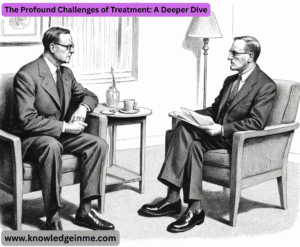
The Profound Challenges of Treatment: A Deeper Dive
- The therapeutic relationship is the primary vehicle for change, but it’s also the primary battlefield.
- The “Test” of the Therapist: The client will constantly test the therapist’s trustworthiness. They may:
- Be late or challenge fees to see if the therapist will retaliate.
- Withhold information to see if the therapist gets frustrated.
- Accuse the therapist of having ulterior motives (e.g., “You only care about the money,” or “You’re just writing this down to use against me”).
- Therapist’s Role: The therapist must be exceptionally consistent, transparent, and non-defensive. They must “sit with the paranoia” without colluding with it (agreeing) or aggressively challenging it. The goal is to become a rare exception to the client’s rule that “everyone is malicious.”
- Goal of Therapy: The initial goal is not to eliminate paranoia, but to:
Build a fragile, therapeutic alliance.
- Paranoid personality disorder Help the client see the cost of their paranoid stance (e.g., “I notice that when you confront your coworkers, it leads to more stress for you. Can we look at that?”).
- Gently introduce the idea of alternative explanations for events.
- For Loved Ones and Family: Navigating the Minefield
Living with or caring for someone with PPD is one of the most emotionally exhausting experiences. It’s a “lose-lose” situation. - The Double Bind: If you try to reassure them, you are seen as deceptive. If you agree with them, you reinforce the pathology. If you disengage, you are seen as confirming your malicious indifference.
- Gaslighting vs. PPD: While the person with PPD may make others question their own reality i wasn’t being critical, you’re just too sensitive! They genuinely believe their distorted perception.
Self-Preservation Strategies:
- Set Firm Boundaries: “I understand you’re upset, but I will not listen to you yell at me. We can talk when you are calm.”
- Use “I” Statements (Cautiously): Instead of “You’re being paranoid,” try “I feel hurt and confused when my intentions are questioned, because I care about you.” This is less likely to be seen as an attack.
- Maintain Your Social Support: You need a safe outlet to express your frustration and grief. Consider your own therapy or a support group.
- Manage Your Expectations: Accept that you cannot “cure” them with love or logic. The most you can do is manage your own responses and create a less triggering environment.
- Safety First: If the paranoia escalates to threats of violence against themselves or others, this becomes a psychiatric emergency. Contact emergency services or a crisis hotline.