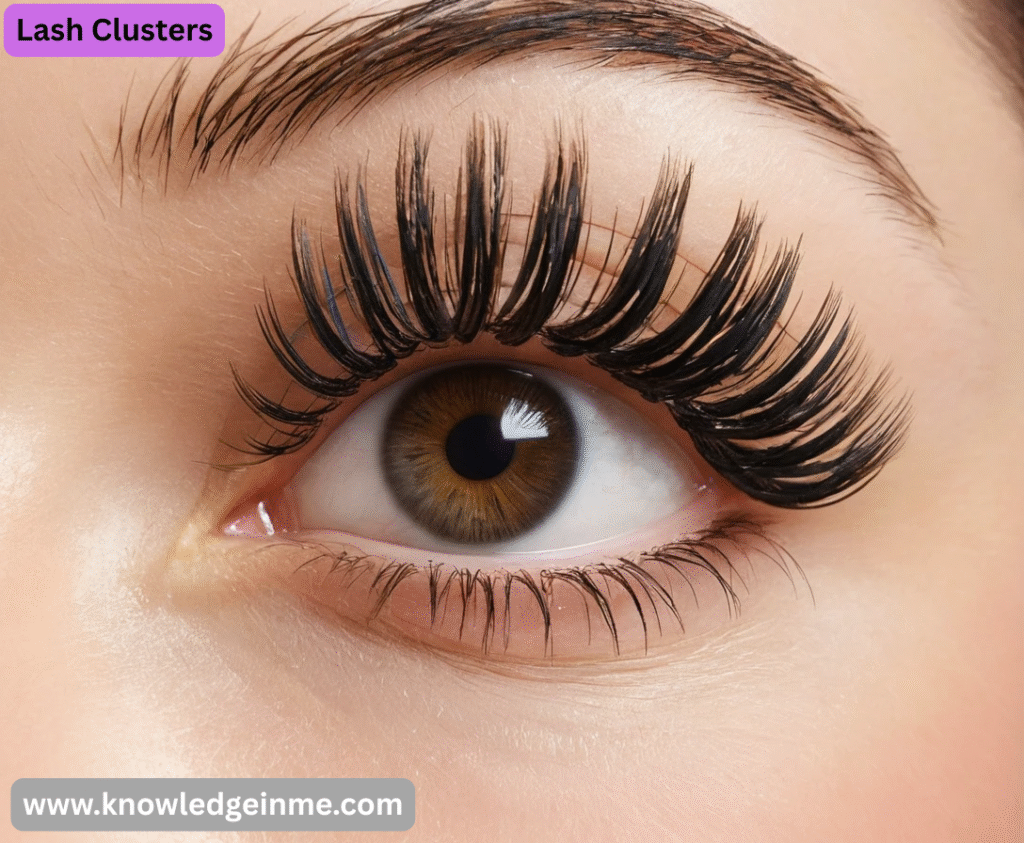

Lash Clusters Of course! “Lash Clusters” are a popular semi-permanent eyelash enhancement.
What Are Lash Clusters?
- Lash clusters (also known as lash flares or party lashes) are small, fan-like bundles of synthetic, mink, or silk lashes that are applied to your natural lashes to add instant volume, length, and drama.
- They are a step between strip lashes (temporary, applied daily) and classic lash extensions (individual lash applied to one natural lash).
Classic Extensions: 1 extension : 1 natural lash
- Volume Extensions: A handmade fan of 2-6 ultra-fine extensions : 1 natural lash
- Lash Clusters: A pre-made cluster of 5-10+ thicker lashes : 1-3 natural lashes
Key Characteristics of Lash Clusters
- Pre-Made: Unlike volume lash fans which are handmade by a technician, clusters come pre-assembled.
- Heavier & Thicker: The lash fibers in clusters are significantly thicker and heavier than those used in professional extensions.
- Temporary/Semi-Permanent: They are designed to last from a few days up to one week, not the 3-4 weeks of professional extensions.
- Application: They are applied with a stronger, semi-permanent lash adhesive, but not the same long-lasting, cyanoacrylate-based glue used for classic or volume extensions.
Pros and Cons of Lash Clusters
Pros:
- Instant Dramatic Look: They provide immediate, high-impact volume and length.
- Faster & More Affordable: An application takes about 30-60 minutes and is cheaper than a full set of extensions.
- Great for Special Events: Perfect for a vacation, wedding, or a weekend out (hence “party lashes”).
- Less Commitment: Ideal for trying out a lash extension look before committing to the maintenance.
Cons:
- Can Be Damaging: This is the biggest drawback. Their weight can be too much for your natural lashes, leading to breakage, fallout, and stress on the lash follicle if worn repeatedly or for too long.
- Shorter Lifespan: They don’t last as long as professional extensions because of the adhesive and the fact they attach to multiple lashes in different growth cycles.
- Requires Professional Removal: You should not pick or pull them off, as this will take your natural lashes with them.
- Can Feel Heavy: Some people find them uncomfortable or too heavy on the eyelids.
The Application and Removal Process
Application (by a Professional):
- Consultation: You choose the curl, length, and volume.
- Preparation: Your natural lashes are cleaned and isolated.
- Application: The technician dips the base of a cluster into special cluster adhesive and applies it to the root of your natural lashes, typically attaching it to 2-3 lashes for stability.
- Drying: You lie still with your eyes closed for the adhesive to cure.
Removal (CRUCIAL to do professionally):
- A technician will use a professional-grade remover (gel or cream) to dissolve the adhesive without harming your natural lashes. Never try to peel or pull them off at home.
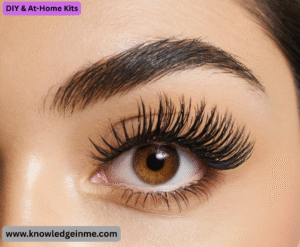
DIY & At-Home Kits
- There are many at-home lash cluster kits available. While tempting, they come with significant risks:
- High Risk of Injury: Getting adhesive in your eye can cause severe damage, infection, and allergic reactions.
- Poor Application: It’s very difficult to apply them correctly on yourself, leading to a messy look and increased damage.
- Use of Harmful Glue: Many DIY kits come with overly strong or inappropriate adhesives.
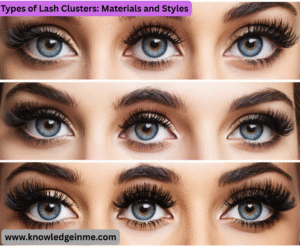
Types of Lash Clusters: Materials and Styles
Clusters come in various materials, each offering a different look and feel:
- Synthetic: The most common and affordable. They are shiny, bold, and hold a curl very well. Perfect for a dramatic, “makeup” look.
- Mink: Made from real or synthetic fur designed to mimic real mink. They are softer, lighter, and have a more wispy, natural-looking texture than synthetic clusters. (Note: Ensure they are from an ethical, cruelty-free source if using real mink).
- Silk: Often considered a middle ground between synthetic and mink. They are lightweight, have a subtle shine, and offer a high-end, silky appearance.
- Faux Mink: A popular synthetic alternative that replicates the soft, feathery look of real mink without the ethical concerns. They are lightweight and very common.
In terms of style, you can choose based on:
- Length: Ranges from short (8-10mm) to very long (15-20mm+).
- Curl: Similar to extensions, from a subtle J-curl to a dramatic D-curl or L-curl.
- Volume/Density: The number of lash strands in the cluster fan. More strands = a denser, more dramatic fan.
The Critical Risks and Potential Damage (Explained)
This is the most important section. Why are clusters considered more damaging?
- Excessive Weight: A single natural lash can only support a certain weight. Clusters are heavy and are often applied to 2-3 natural lashes. If one of these lashes is in its growth (anagen) phase, it is not strong enough to bear the load, leading to premature shedding and damage to the follicle.
- Improper Isolation: For lash health, each extension (or cluster) must be attached to a single, isolated natural lash. With clusters, technicians often intentionally attach them to multiple lashes to make them last longer. This is a primary cause of damage, as the natural lashes are glued together and cannot shed independently.
- The “Traction Alopecia” Effect: When multiple lashes are glued together, the one that is ready to shed naturally (the telogen lash) is held in place by its neighbors. When it finally does fall out, it can pull out the other, still-growing lashes that it’s attached to. Over time, this can lead to permanent damage to the follicle, similar to traction alopecia of the scalp.
- The Glue: The adhesive used for clusters, while not as strong as extension glue, is still a powerful semi-permanent adhesive. Any mishap during application or, more commonly, removal, can strip the natural lash’s cuticle.
- Aftercare: Maximizing Longevity and Minimizing Damage
Proper care is non-negotiable.
The First 24-48 Hours:
- Avoid Water & Steam: This allows the adhesive to fully cure.
- No Touching, Rubbing, or Picking: This will distort the clusters and pull on your natural lashes.
Ongoing Care:
- Sleep on Your Back: If possible, sleep on your back to avoid crushing the clusters against the pillow.
- Be Gentle When Cleansing: Use an oil-free cleanser and gently wash around the eye area. Pat dry, don’t rub.
- Brush Gently: Use a clean spoolie to gently brush them in the morning.
- NO OIL-BASED PRODUCTS: Oil (makeup remover, cleanser, cream) will break down the adhesive and cause the clusters to fall off prematurely.
- The Golden Rule of Removal: DO NOT PULL THEM OFF. When you’re ready for them to come off, return to your lash tech for a safe, professional removal.
Who Are Lash Clusters BEST For?
- The “Special Event” Person: Perfect for a wedding, vacation, photoshoot, or a big party where you want major impact for a short period.
- The “Try-Before-You-Commit” Person: You’re curious about the lash extension look but aren’t ready for the cost and maintenance of a full set.
- Someone with a Strong Lash Line: If you have naturally thick, strong, and healthy lashes, you are a better candidate to handle the weight of clusters (for short periods) than someone with fine, sparse lashes.
Who Should AVOID Lash Clusters?
- Anyone with Sparse, Fine, or Weak Natural Lashes: The risk of damage and fallout is significantly higher.
- People with Active Eye Conditions: If you have blepharitis, conjunctivitis, or severe allergies, avoid them.
- Anyone seeking a long-term solution: They are not a sustainable, healthy option for continuous wear.
People who rub their eyes frequently.
Professional Lash Technician’s Perspective
- Most reputable lash technicians have a love-hate relationship with clusters.
- They Love: Being able to offer a quick, dramatic result for a client’s special occasion.
- They Hate: The potential for damage they see from clients who wear them repeatedly or from poorly done DIY applications. Many techs view clusters as the “fast food” of the lash world—great as an occasional treat, but unhealthy as a staple.