
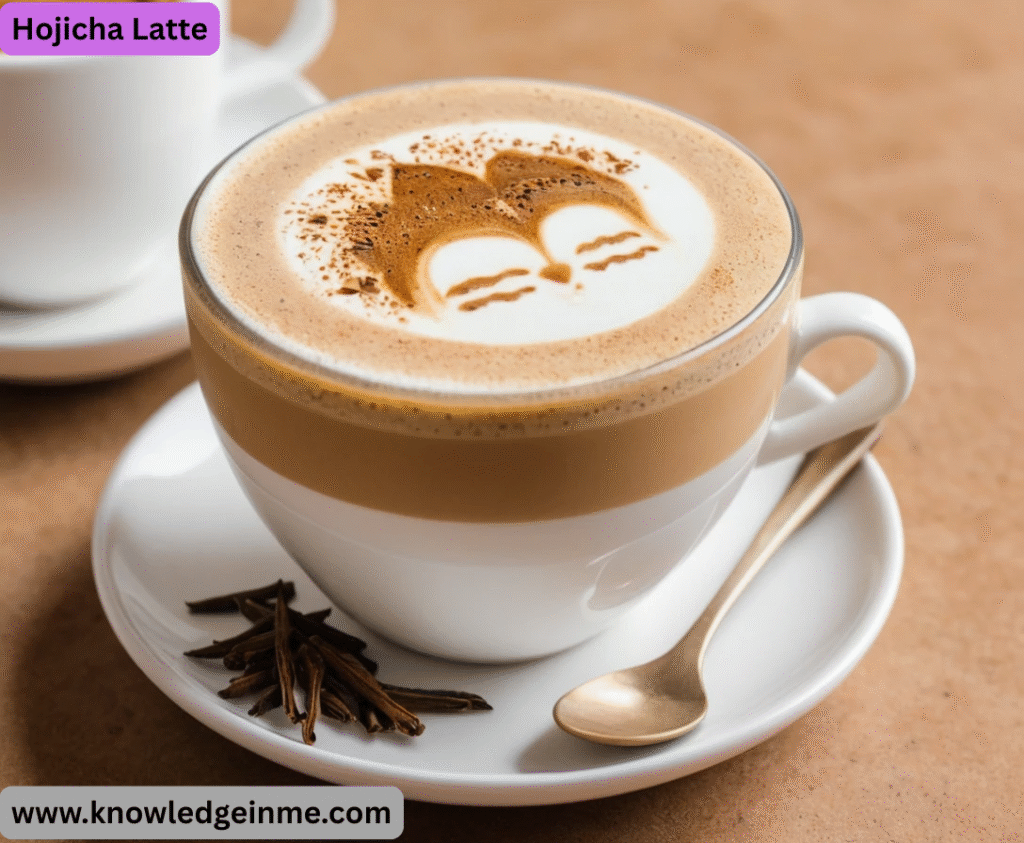

Hojicha Latte Of course! A Hojicha Latte is a wonderful, cozy, and delicious alternative to a coffee-based latte. Here’s a complete guide to what it is, why it’s special, and how to make it at home.
What is a Hojicha Latte?
- A Hojicha Latte is a beverage made by combining hojicha (a roasted Japanese green tea) with steamed or frothed milk. Unlike a matcha latte, which is vibrant green and has a grassy, umami flavor, a hojicha latte is a warm brown color and has a toasty, nutty, and slightly sweet flavor with very low bitterness and caffeine.
Key Ingredient: Hojicha
- It’s Still Green Tea: Despite its brown color, hojicha is made from green tea leaves (often bancha or kukicha).
- The Roasting Process: The leaves are roasted at high temperatures, which gives them their characteristic reddish-brown color and warm, toasty flavor profile.
- Low Caffeine: The roasting process reduces the caffeine content, making it a great evening drink.
- Flavor Profile: Think of notes of caramel, toasted rice, nuts, and a hint of chocolate. It’s smooth and comforting.
Why You’ll Love It
- Soothing & Relaxing: Perfect as a cozy, low-caffeine treat any time of day.
- Unique, Comforting Flavor: The toasty, warm notes are incredibly satisfying, especially in cooler weather.
- Less Bitter: Naturally smoother and less astringent than many other teas and coffees.
- Naturally Sweet: Its inherent caramel-like sweetness often means you need little to no added sweetener.
How to Make a Hojicha Latte at Home
- You can make it two ways: with hojicha powder (the most common and easiest method, similar to a matcha latte) or with loose-leaf hojicha (brewed strong like a tea concentrate).
Method 1: Using Hojicha Powder (The Classic Way)
- This is the fastest method and gives you a smooth, integrated latte.
Ingredients:
- 1-2 tsp Hojicha Powder (adjust to taste)
- 2 tbsp Hot Water (just under boiling, ~80-90°C / 175-195°F)
- 1 cup (240 ml) Milk of your choice (dairy, oat, almond, soy)
Instructions:
- Sift & Mix: Sift your hojicha powder into a cup to avoid clumps. Add the hot water.
- Whisk: Using a bamboo whisk (chasen), electric frother, or even a small regular whisk, whisk vigorously until the hojicha powder is fully dissolved and a smooth, frothy paste forms.
- Heat & Froth Milk: Heat your milk until steaming. Use a frother, French press, or a whisk to froth it until creamy and foamy.
- Sweeten & Serve: Add sweetener if desired, give it a gentle stir, and enjoy!
Method 2: Using Loose Leaf Hojicha
- This method is like making a very strong cup of tea to use as a base.
Ingredients:
- 2-3 tbsp Loose Leaf Hojicha
- 1/2 cup (120 ml) Hot Water
1 cup (240 ml) Milk
Sweetener to taste
Instructions:
- Brew Strong: Steep the loose leaf hojicha in the hot water for 3-5 minutes to make a very strong, concentrated tea.
- Strain: Strain the tea leaves out. You should have a dark, fragrant tea concentrate.
- Heat & Froth Milk: Heat and froth your milk as described in Method 1.
- Combine: Pour the hojicha concentrate into your mug, then top with the frothed milk and foam.
- Sweeten & Serve: Add sweetener if you like and enjoy.
Iced Hojicha Latte
For a refreshing version, make an iced latte!
- Make Hojicha Concentrate: Prepare a double-strength hojicha concentrate using either the powder or loose-leaf method. Let it cool to room temperature or chill it.
- Add Milk: Top with cold milk (frothed cold milk is a nice touch if you have a frother that can do it).
- Stir & Sweeten: Stir well and add sweetener if desired.
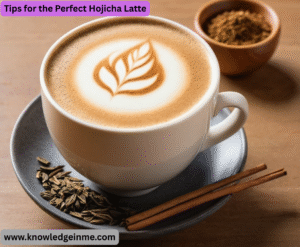
Tips for the Perfect Hojicha Latte
- Quality Matters: The quality of your hojicha will make a huge difference. Look for a vibrant, fragrant powder or high-quality loose leaves.
- Don’t Use Boiling Water: Water that is too hot can make the hojicha taste bitter. Aim for 80-90°C (175-195°F).
- Froth Your Milk: The texture from frothed milk is what makes it a “latte.” It doesn’t need to be barista-perfect, but a little foam goes a long way.
- Flavor Variations: Add a dash of vanilla extract, a sprinkle of cinnamon, or a drizzle of caramel sauce for a different twist.
Advanced Techniques & Pro Tips
The “First Froth” Method (for Powder):
- For an ultra-smooth, clump-free latte, try this barista technique:
- Place your hojicha powder in your mug.
- Add a small amount of your cold milk (just enough to cover the powder).
- Use a frother to mix the powder and cold milk into a perfectly smooth paste.
- Then, heat the rest of the milk, froth it, and pour it into the paste. This method guarantees no clumps.

Sweetener Integration:
- Instead of adding sweetener at the end, incorporate it into the hojicha paste. The heat and liquid will dissolve sugar or honey more evenly, creating a better integrated flavor.
Toasting Your Own Hojicha (Adventurous!):
- If you have high-quality Japanese green tea (like bancha or sencha), you can make your own hojicha at home.
- How-to: Spread the leaves in a single layer in a dry frying pan.
- Heat over medium-low heat, stirring constantly for 5-10 minutes until the leaves become fragrant, brittle, and turn a reddish-brown color.
- CAUTION: Do not walk away! They can burn easily. Let cool completely before grinding (if using as a powder) or brewing.
Recommended Places to Buy: - Specialty Japanese Grocers: (Mitsuwa, Marukai, etc.) Often have the best and freshest selection.
- Online Retailers: Look for reputable Japanese tea companies like Ippodo, Yunomi, Sugimoto America, or Hibiki-An.
- Local Tea Shops: A good local shop may carry it, and you can often smell it before you buy.
Health & Nutritional Information
- Hojicha isn’t just delicious; it has some unique health properties.
- Low in Caffeine: As mentioned, the roasting process significantly reduces caffeine. It’s an excellent choice for:
People who are caffeine-sensitive.
- Pregnant or breastfeeding women (though always consult a doctor).
Children (in moderation).
- An evening drink when you want something warm but not stimulating.
- Rich in Antioxidants: While roasting changes the antioxidant profile, hojicha still contains compounds like pyrazines (from roasting) which have their own health benefits.
- Potential Relaxation: It contains L-Theanine, an amino acid that promotes relaxation and alertness without drowsiness, which can help take the edge off the small amount of caffeine.
- Gut-Friendly: Like all green teas, it contains catechins, which can be beneficial for gut health.
Note on Milk and Iron: A common note for all true teas (black, green, oolong, white): the tannins can inhibit the absorption of non-heme (plant-based) iron. If you have iron deficiency, it’s best to drink tea between meals rather than with them.