
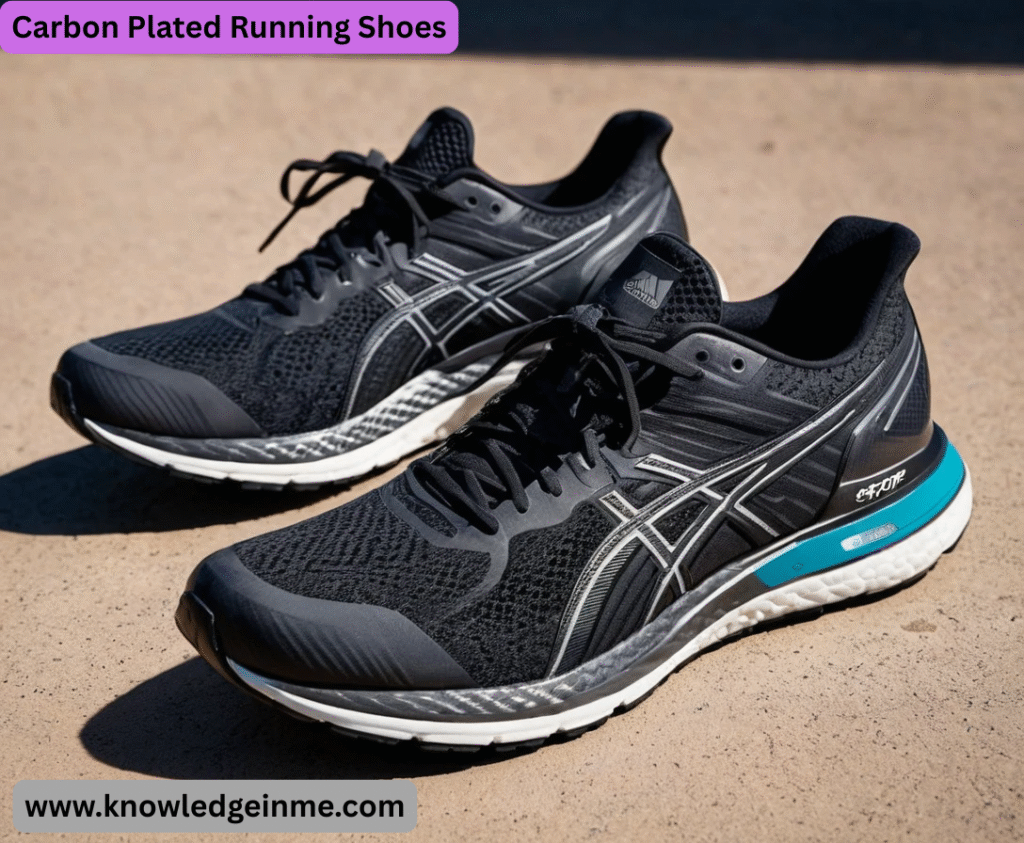

Carbon Plated Running Shoes Of course! Here is a comprehensive guide to carbon-plated running shoes, covering what they are, how they work, who they’re for, and the top models on the market.
What Are Carbon-Plated Running Shoes?
- Carbon-plated running shoes are high-performance footwear that feature a rigid, spoon-shaped carbon fiber plate embedded within the midsole foam. This innovation, popularized by Nike’s “Breaking2” project in 2017, has fundamentally changed competitive distance running.
- They are not meant for daily training for most runners; instead, they are “super shoes” designed to maximize efficiency and speed on race day.
How Do They Work? The Science of Speed
- The carbon plate itself doesn’t act like a spring. Instead, it works in tandem with the advanced, energy-returning foam (like PEBAX-based foams) to create a system that enhances running economy. The primary mechanisms are:
- Improved Energy Return: The advanced foams (Nike’s ZoomX, Saucony’s PWRRUN PB, Adidas’s Lightstrike Pro, etc.) are much more resilient than traditional EVA foam. They compress upon foot strike and return a significant amount of energy to propel you forward.
- The “Lever Effect” & Stability: The rigid carbon plate prevents the foot from flexing and wasting energy. As you push off, the plate acts as a lever, reducing the strain on your calf and Achilles tendon and encouraging a more efficient toe-off.
- Rockered Geometry: Most of these shoes are built with a distinct rocker shape. The carbon plate helps enforce this rolling motion, guiding your foot smoothly from strike to toe-off and promoting a faster cadence.
- The result? A measurable improvement in running economy—you use less energy to maintain the same pace, typically in the range of 2-4%.
Who Are They For?
Racing: Primarily designed for race day—from the 5k to the marathon.
- Fast Training Sessions: Some runners use them for key workouts like tempo runs or intervals to practice race pace and build confidence.
- Experienced Runners: They are most beneficial for runners with an efficient, stable gait who can handle the aggressive geometry and higher stack height.
- Runners Seeking a PR: If you have a goal time and want every legal advantage, these are the tools for the job.
Who Might Want to Avoid Them?
Beginners: Focus on building a base with comfortable, stable daily trainers first.
- Runners with Certain Injuries: The aggressive nature can aggravate issues like plantar fasciitis or Achilles tendonitis if your body isn’t accustomed to them.
- Daily Trainers: They are expensive and wear out faster than traditional shoes. Using them for every run diminishes their “special” feel and is not cost-effective.
Top Carbon-Plated Running Shoes in 2024
- The market has exploded with options. Here are some of the top contenders, categorized by their strengths:
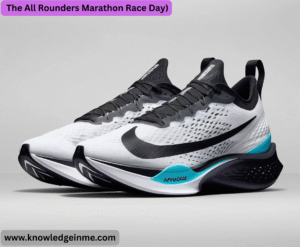
The All-Rounders (Marathon Race Day)
- Nike Alphafly 3: The successor to Eliud Kipchoge’s legendary shoe. Known for its maximal cushioning, dual air pods in the forefoot, and incredible energy return. Ideal for marathoners who need protection over 26.2 miles.
- Adidas Adizero Adios Pro 3: A fan favorite for its stable, comfortable ride and robust Energyrods (carbon-infused rods).
- Saucony Endorphin Pro 4: Consistently praised for its balanced, “do-it-all” nature. It has a snappy ride with a well-tuned rocker that feels fast yet manageable.
The Speed Demons (5k to Half Marathon)
- Nike Vaporfly 3: The gold standard for pure speed. Lighter and more responsive than the Alphafly, it’s the choice for many elites in shorter distances and runners who want a more aggressive, “pop-y” feel.
- New Balance FuelCell SuperComp Elite v4: Extremely lightweight and flexible for a carbon-plated shoe, offering a very natural yet propulsive feel at high speeds.
The Stable & Accessible Options
- HOKA Cielo X1: HOKA’s first major entry is praised for its exceptional stability and unique “bucket seat” heel, making it a great option for runners worried about wobbling in other super shoes.
- Brooks Hyperion Elite 4: Designed to be a more accessible and stable super shoe, it uses a “Green Speed” midsole and has a rocker that feels smooth and less aggressive.
The Value Pick
- Puma Deviate Nitro Elite 2: Often available at a slightly lower price point than its direct competitors, it doesn’t compromise on performance. It offers a fantastic, well-cushioned, and propulsive ride.
A Deeper Dive: The Anatomy of a Super Shoe
- The magic isn’t just the plate; it’s the synergy between three key components:
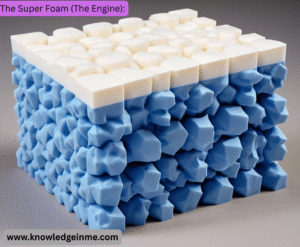
The Super Foam (The Engine):
- What it is: Primarily PEBA (Polyether Block Amide)-based foams, often whipped with nitrogen or other processes to create a low-density, high-rebound material.
- Key Examples: Nike’s ZoomX, Saucony’s PWRRUN PB, Adidas’s Lightstrike Pro, New Balance’s FuelCell, Puma’s NITRO™ Elite.
- Why it Matters: This foam is significantly more energy-efficient than traditional EVA (Ethylene-Vinyl Acetate) foam. It compresses easily on impact and returns a much higher percentage of that energy, propelling you forward.
The Carbon Plate (The Transmission):
- What it is: A thin, rigid, and incredibly stiff plate made from layers of carbon fiber composite. It’s not flat; it’s sculpted into a spoon or full-length shape to follow the foot’s geometry.
- Why it Matters: The plate’s primary role is to add structure and create a lever.
- It reduces the metabolic cost of stabilizing the foot.
- It works against the compression of the super foam, creating a “spring-board” effect that propels the foot forward more quickly.
- It enforces a rocker geometry, promoting a faster foot turnover.
The Rocker Geometry (The Chassis):
What it is: The shoe is designed with a pronounced curved sole, much like a rocking chair.
- Why it Matters: This design minimizes the time your foot spends on the ground. It guides your foot smoothly from heel-strike (or mid-foot strike) directly to toe-off, encouraging a more efficient and faster running form.
A Brief History: The Revolution Timeline
- Pre-2017: Isolated experiments with plates exist (e.g., Adidas’s “Energy Rods”), but they are not paired with advanced PEBA foams.
- The combination of a full carbon fiber plate and ZoomX foam proves to be revolutionary. Eliud Kipchoge runs a 2:00:25 in a prototype, and the running world takes notice.
- 2018-2019: The Vaporfly dominates marathon podiums. Debates erupt over whether the shoes provide an “unfair technological advantage.” World Athletics begins to investigate.
- 2020: World Athletics establishes new rules: shoes must have a stack height under 40mm and cannot contain more than one rigid plate. The “super shoe” era is officially regulated but wide open for competition.
- 2021-Present: An innovation arms race begins. Every major brand launches its own version, experimenting with plate geometry (forked plates, composite plates), foam blends, and upper materials. The technology trickles down to non-racing shoes
The “Super Shoe” Ecosystem: Beyond Carbon Plates
The technology has now expanded into different categories:
- Super Trainers (Nylon Plated): These use the same super foams but with a more flexible, less aggressive nylon plate. They are excellent for fast-paced long runs and tempo days, offering a taste of the propulsive feel without the cost or rigidity of carbon.
- Examples: Saucony Endorphin Speed, New Balance FuelCell SuperComp Trainer, Nike Zoom Fly.
- Super Daily Trainers: Some daily trainers now incorporate blends of super foams (like PWRRUN PB mixed with EVA) for a more responsive everyday experience, often without any plate.
Examples: Saucony Endorphin Shift, Puma Velocity Nitro.
- Super Trail Shoes: The technology has hit the trails. These shoes use carbon plates for propulsion on uneven terrain but are designed with lugs, rock plates, and protective uppers.
- Examples: Nike Ultrafly, HOKA Tecton X, Saucony Endorphin Rift.
The Future & The Ethics Debate
- The Debate: Are they “mechanical doping”? The consensus, backed by studies, is that they do provide a performance benefit by improving running economy. However, since they are available to everyone and within regulated limits, they are considered a legal technological advancement, much like advanced bicycles in cycling.
What’s Next?
Sustainability: Brands are working on creating bio-based and recycled super foams.
- 3D Printing: Midsole and plate systems will be increasingly 3D-printed for hyper-customized geometry and performance.
- Advanced Materials: The search for the next-generation foam that is even lighter and bouncier than PEBA is already underway.
Final, Final Verdict
- Carbon-plated shoes are the single most significant performance innovation in running footwear since the waffle sole. They have redefined what is possible in distance running.
Your strategy should be:
- Build your foundation with a reliable daily trainer. Incorporate a super trainer (nylon-plated) for your key workouts.
- Unleash the carbon-plated race shoe on race day to maximize your performance and protect your legs over the final, brutal miles of a marathon.