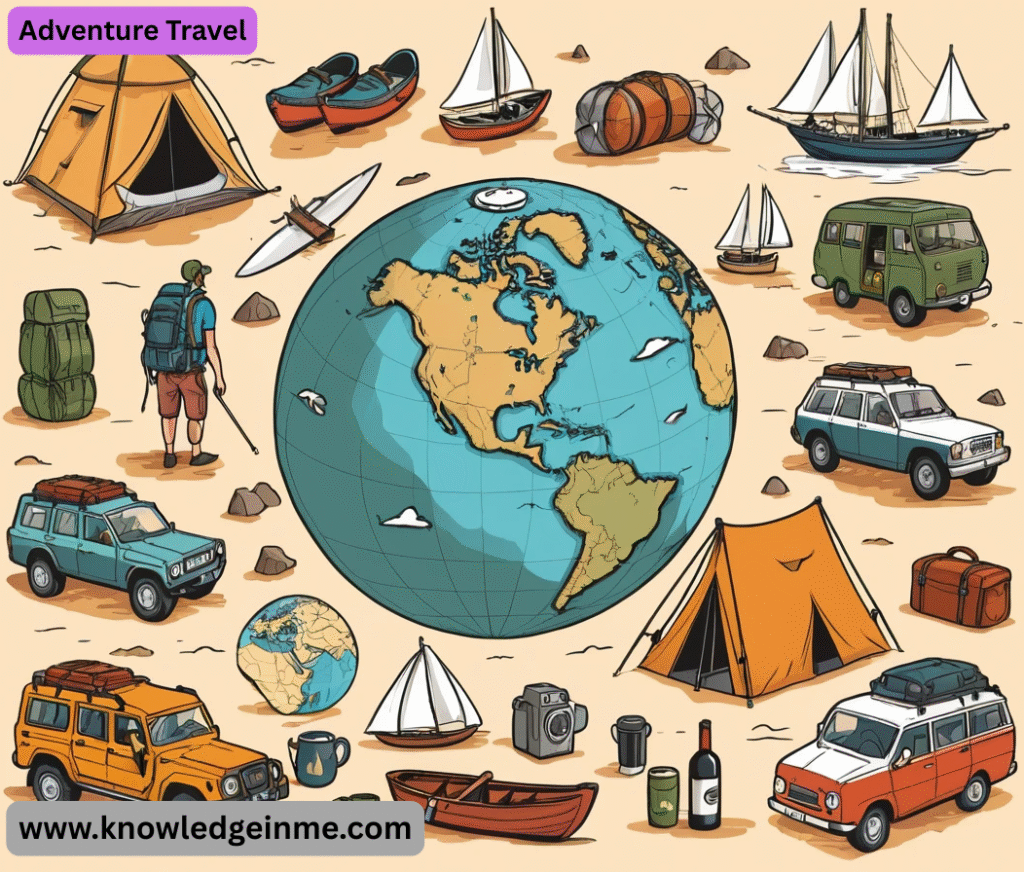

Adventure Travel Of course! Here is a comprehensive overview of Adventure Travel, covering what it is, popular types, how to get started, and essential tips.
What is Adventure Travel?
- It typically requires specialized skills, physical exertion, and immersion in remote or natural environments. The core motivation is not relaxation but rather challenge, personal growth, unique experiences, and connecting with nature and culture in an active way.
- It ranges from “soft adventures” like a beginner-level hiking trip to “hard adventures” like high-altitude mountaineering or white-water kayaking.
Popular Types of Adventure Travel
- Adventure travel can be broken down into several categories:
Land-Based Adventures
- Trekking & Hiking: From day hikes in national parks (like Zion Narrows, USA) to multi-week expeditions (like the Inca Trail to Machu Picchu, Peru, or the Everest Base Camp Trek, Nepal).
- Mountain Biking & Cycling: Tackling rugged single-track trails, bikepacking through deserts, or long-distance road cycling tours (like through the Italian Dolomites or the length of Vietnam).
- Rock Climbing & Via Ferrata: Scaling cliffs in places like Thailand, Greece, or Utah, or using fixed cables and ladders on mountain routes in the Alps.
- Caving & Spelunking: Exploring underground cave systems, from beginner-friendly tours to advanced, muddy expeditions.
- Overlanding & 4×4 Adventures: Self-reliant journeys to remote areas using off-road vehicles (e.g., crossing the Australian Outback or the Sahara Desert).
Water-Based Adventures
- Whitewater Rafting & Kayaking: Navigating river rapids, from family-friendly Class I to expert-only Class V+.
- Sailing & Yachting: Crewing a sailboat through the Greek Islands, the Caribbean, or across an ocean.
- Scuba Diving & Snorkeling: Exploring coral reefs (Great Barrier Reef), diving with sharks (South Africa), or exploring underwater caves (Cenotes in Mexico).
- Surfing & Kitesurfing: Catching waves in iconic spots like Bali, Costa Rica, or Hawaii.
Air-Based Adventures
- Skydiving & Paragliding: Experiencing freefall and aerial views, often in scenic locations like Interlaken, Switzerland, or over coastal dunes.
- Hot Air Ballooning: A more serene adventure, often at sunrise over landscapes like Cappadocia, Turkey, or the Serengeti.
- Bungee Jumping & Ziplining: Leaping from bridges, cranes, or platforms, or soaring through forest canopies.
Winter & Cold-Weather Adventures
- Skiing & Snowboarding: Backcountry or off-piste skiing for a more adventurous twist on resort skiing.
- Dog Sledding & Snowmobiling: Traveling across frozen landscapes in places like Alaska, Canada, or Norway.
- Ice Climbing: Ascending frozen waterfalls and ice-covered cliffs.
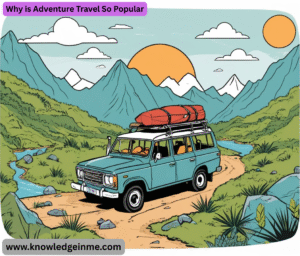
Why is Adventure Travel So Popular?
- Personal Challenge & Growth: It pushes you out of your comfort zone, building confidence and resilience.
- Unique Experiences: It offers stories and memories that last a lifetime, far beyond a standard beach holiday.
- Connection to Nature: It provides deep immersion in some of the world’s most stunning and untouched landscapes.
- Cultural Immersion: Often, adventure travel takes you through remote villages and communities, allowing for authentic cultural exchanges.
- Health & Wellness: The physical activity and disconnect from daily stress are great for mental and physical health.
How to Get Started with Adventure Travel
- Assess Your Fitness & Skill Level: Be honest with yourself.
- Choose Your Adventure: What excites you? Hiking? Diving? Cycling? Research destinations known for that activity.
Do Your Research:
- Seasons: When is the best (and safest) time to go?
- Guided vs. Independent: For beginners, a reputable tour operator (like Intrepid Travel, G Adventures, or REI Adventures) handles logistics, safety, and guides. Experienced adventurers may plan their own trips.
- Permits & Regulations: Many popular trails and parks require permits booked far in advance.
- Gear Up: You don’t need the top-of-the-line everything to start. Invest in key items like good footwear, a backpack, and a weather-appropriate jacket. Rent specialized equipment (like wetsuits or climbing harnesses) at first.
- Get Insured: Standard travel insurance is often not enough. You need a policy that specifically covers adventure activities and emergency evacuation.
Essential Tips for a Safe & Rewarding Trip
- Train beforehand. Don’t let your big trip be the first time you test your fitness.
- Pack smart. The mantra is “pack light, pack right.” Layers are key. Don’t forget a first-aid kit.
- Learn Basic Skills. Know how to read a map and use a compass (even if you have a GPS), or basic phrases in the local language.
- Respect the Environment. Follow the Leave No Trace principles. Pack out all your trash, stay on trails, and minimize your impact.
- Be Flexible. Weather, trail conditions, and health can change quickly. Have a backup plan and be willing to adapt.
The Philosophy: It’s More Than Just an Adrenaline Rush
While thrill is a component, modern adventure travel is increasingly defined by a deeper set of values:
- Mindful Challenge: It’s not about recklessness, but about calculated risk. The focus is on being present, overcoming mental barriers, and achieving a state of flow where skill and challenge are in balance.
- Transformative Travel: The goal is to return changed—with a new perspective, greater self-reliance, or a deeper appreciation for the planet.
- Regenerative & Responsible Tourism: It’s moving beyond “do no harm” to “actively do good.” This means choosing operators who support local communities, protect ecosystems, and contribute to conservation efforts. Think volunteering on a trail restoration project or staying in lodges owned by indigenous communities.
Deep Dive: Planning an Independent Adventure
- For those looking to go without a tour operator, the planning is part of the adventure.
The Logistics Ladder:
- Transportation: How do you get to the remote trailhead? Are there local buses, 4×4 rentals, or boat transfers? Research is key.
- Navigation: Always have a backup. A GPS device or phone app (like Gaia GPS or AllTrails) is great, but a physical map and compass (and the knowledge to use them) are essential safety nets.
- Accommodation: Options range from backcountry camping (permits often required) to remote homestays, refugios (mountain huts), or eco-lodges. Book well in advance for popular routes.
- Food & Water: Plan your caloric needs. Will you resupply in towns? Purify water from streams? Calculate everything, then add extra.
The Safety Net:
- Itinerary Sharing: Always leave a detailed copy of your itinerary, route, and expected return time with someone you trust. Check in with them at predetermined points.
- Communication: In remote areas, consider renting or investing in a Personal Locator Beacon (PLB) or satellite messenger (like a Garmin inReach or Zoleo) for emergency SOS and two-way texting.
- Local Knowledge: Talk to park rangers, local guiding associations, or other travelers who have recently completed your planned route. Conditions can change rapidly.
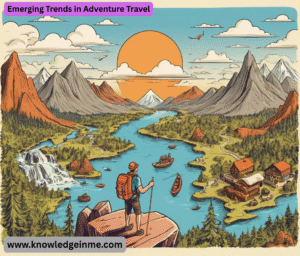
Emerging Trends in Adventure Travel
- Microadventures: The concept, popularized by Alastair Humphreys, involves finding adventure close to home. A overnight bikepacking trip, a sunset hike to a local peak, or wild swimming at dawn. It makes adventure accessible to everyone, every day.
- Skip-Gen Travel: Grandparents taking their grandchildren on adventurous trips, creating unique bonds and passing on a love for exploration.
- Competitive Adventures: Travel centered around participating in an event, like a destination marathon (e.g., Great Wall Marathon), an open-water swim, or a mountain ultra-trail race.
- Skills-Based Trips: Traveling to learn an adventure skill. For example, a week in Iceland to learn glacier travel and crevasse rescue, or a trip to Mexico to get your scuba certification.
Making It Meaningful: The Deeper Layer
To elevate your trip from a simple activity to a life-long memory, consider these questions:
- What do you want to learn? Is it about a specific culture (e.g., learning from the Sherpa people in Nepal)? A historical route (e.g., following the Silk Road)? Or a natural phenomenon (e.g., tracking wildlife in Botswana)?
- How can you give back? Can you pack out trash you find on the trail? Use your skills to help a local conservation project? Choose a tour operator that has a clear, documented positive impact?
- How will you document it? Beyond photos, consider keeping a journal. Note not just what you saw, but how you felt, the conversations you had, and the challenges you overcame. These details fade fastest but are the most precious.