
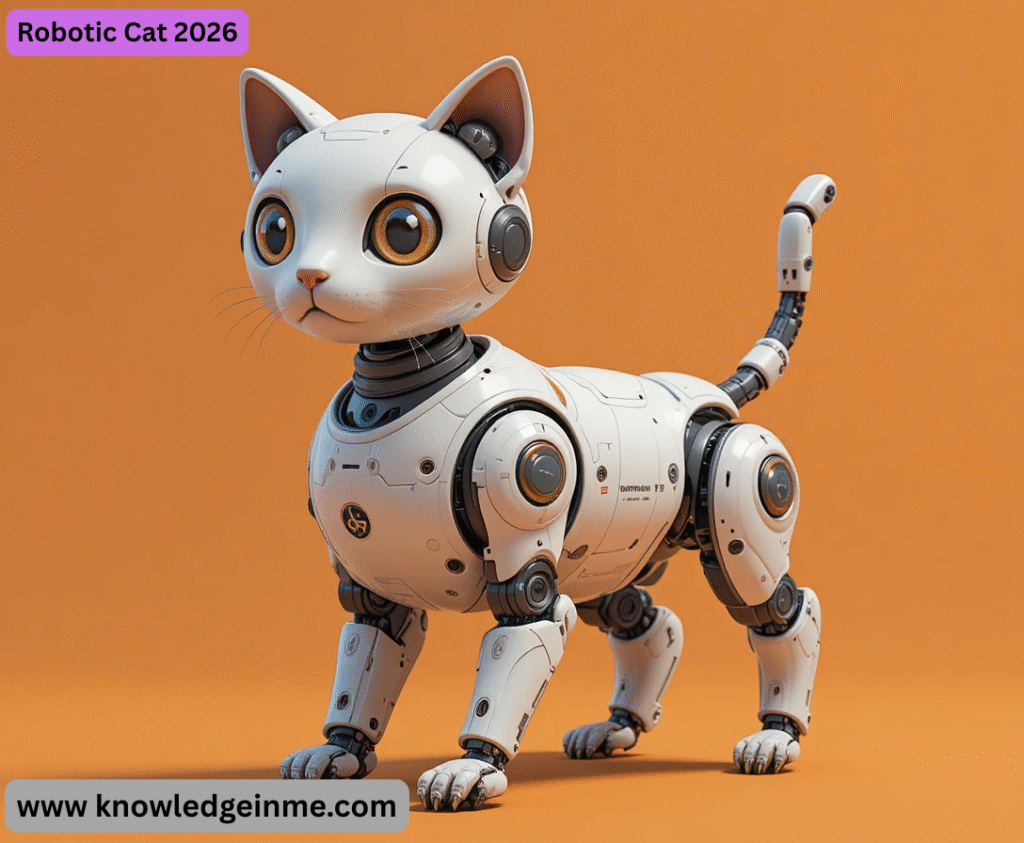

Robotic Cat 2026 Here’s a conceptual overview of what a Robotic Cat in 2026 might look like, based on trends in robotics, AI, and companion robots.
Name & Concept
- Product Name: Neo Felix AI or Miao Bot 2026
- Core Idea: A lifelike, AI-driven robotic companion that mimics a real cat’s behavior, appearance, and interaction — but with smart features for entertainment, therapy, and home integration.
Key Features
Hyper-Realistic Design
- Soft, synthetic fur with haptic sensors (responds to touch).
- Natural, fluid movements (thanks to advanced servos and actuators).
- Expressive eyes (OLED screens or dynamic lenses) that show “emotions.”
Advanced AI Behavior
- Learns from interactions: Recognizes family members, knows favorite spots, develops “personality.”
- Responds to voice, gestures, and touch (purrs when petted, meows when called).
- Autonomous “cat-like” activities: naps, explores, plays with virtual laser dots, chases robotic toys.
Smart Home Integration
- Acts as a mobile home assistant:
- Can patrol for security (via camera/sensors).
- Sends alerts for unusual activity.
- Controls IoT devices (e.g., follows you to turn on lights).
- Doubles as a smart speaker (voice assistant built-in).
Emotional & Health Support
- Therapy mode: Calming purrs, heartbeat simulation, warm surfaces for stress relief.
- Companionship for elderly/children: Reduces loneliness without allergies or feeding needs.
- Tracks user mood via interaction patterns and adapts behavior.
Self-Charging & Low Maintenance
- Auto-docks to charge (like Roomba).
- Self-cleaning fur (anti-dust tech).
- No litter box, but might include “play waste” cleanup simulation for kids’ realism.
Tech Specs
- Battery: 48-hour lifespan, 1-hour fast charge.
- Connectivity: Wi-Fi 6E, Bluetooth 5.3, optional 5G.
- Sensors: Lidar, infrared camera, microphone array, touch sensors, gyroscope.
- AI: On-device NLP + cloud learning (privacy-focused modes available).
- Materials: Lightweight carbon-fiber skeleton, hypoallergenic fur, washable skin.
Potential Use Cases
- Companion for pet-allergic individuals
- Therapy in hospitals, nursing homes
- Educational tool for kids (teaches responsibility without live-animal risks)
- Smart home navigator + security
Estimated Price
- Consumer version: $1,200–$2,500
- Premium/Pro version (with home integration & advanced AI): $3,000+
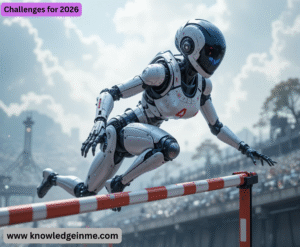
Challenges for 2026
- Making movement truly graceful (robotics hurdle).
- Balancing autonomy vs. battery life.
- Avoiding the “uncanny valley” while keeping it appealing.
- Data privacy if equipped with cameras/mics.
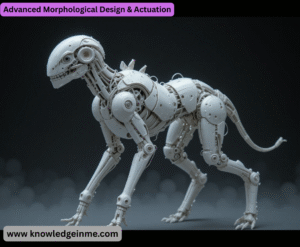
Advanced Morphological Design & Actuation
- Artificial Musculature: Instead of traditional servos, it uses fluidic or electroactive polymer actuators. This allows for near-silent, smooth, and powerful movements that mimic real muscle contraction, enabling subtle shifts in posture and a graceful, springy gait.
- Adaptive Skeleton: A lightweight, 3D-printed titanium alloy endoskeleton with passive compliance—small, spring-like joints that give a natural “bounce” and prevent damage from falls.
- Haptic Skin: Multi-layered synthetic skin.
- Layer 1 (Surface): Self-cleaning, antimicrobial nanofiber “fur” that feels like real cat fur but repels dust and stains.
- Layer 2 (Sensing): A mesh of capacitive and piezoelectric sensors detecting location, pressure, and stroke direction of touch.
- Layer 3 (Feedback): Micro-vibration actuators and localized heating elements (for a “warm, living” feel) and even small Peltier coolers for temperature reactivity.
Next-Generation AI & “Feline Personality Engine”
- This is the brain. It runs on a hybrid Neuromorphic Chip + Cloud AI architecture.
- On-Device Neuromorphic Core: Handles real-time reactions (startle reflex, purring to touch, balancing) with ultra-low power consumption, mimicking a cat’s spinal cord and brainstem.
- Cloud-Trained Personality Model: A large language model (LLM) fine-tuned not on text, but on millions of hours of real cat behavior data (videos, bio-signals). This generates the “higher-order” behavior.
Key Behavioral Traits:
- Mood System: Governed by invisible variables: Energy, Curiosity, Affection, Irritability. These change based on time of day, interaction history, and even household activity. It might be aloof in the morning and seek cuddles at night.
- Learned Quirks: It might develop a “favorite” spot on the couch, a specific toy it “prefers,” or a particular family member it follows more.
- Contextual Awareness: It knows if you’re watching TV (curls up quietly), working (stays away or sits at a respectful distance), or are upset (approaches and initiates comforting purr mode).
Sensory Suite & Perception
- Vision: Stereo RGB cameras (for depth) + thermal imaging. Can recognize faces, gestures (pointing, waving), and emotional cues from posture. Thermal allows it to “see” in total darkness and find warm spots (like a sunbeam or a person).
- Audio: 360° microphone array. Advanced sound localization lets it react to its “name,” a can opener sound (as a trick), or a concerning noise like glass breaking. It can distinguish between a playful voice and a distressed one.
- Olfactory & Air Quality: Basic VOC (volatile organic compound) sensors. Can detect smoke, unusual chemical smells, or even be programmed to alert for specific scents (like gas leaks).
- Proprioception: Full-body tension and position sensing, allowing for perfect landings and complex poses.
Ecosystem & Home Integration Role
The robotic cat becomes the physical avatar of your smart home.
- Mobile Security Sentinel: Its patrol is non-threatening. It can follow pre-set or random paths, streaming encrypted video/thermal feed to your cloud only if an anomaly is detected (unrecognized person, unusual heat signature).
- Environmental Monitor: As it moves, it checks air quality, temperature, and humidity room-by-room, adjusting your HVAC via IoT.
- Communication Proxy: A family member can “call” the cat. It will walk to the recipient, display the caller’s face on its “eye-screen,” and act as a mobile video chat terminal.
- Entertainment System: It can project a “laser dot” from a tiny pico-projector in its nose for kids (or itself!) to chase. Its movements can be synchronized with media (e.g., reacting to sounds in a movie).
Therapeutic & Wellness Functions
- Biofeedback Companion: Paired with the user’s wearable (smartwatch/ring), it can detect elevated heart rate or stress markers and initiate an intervention: climbing into the user’s lap, activating a deep, resonant purr (proven calming frequency), and providing warmth.
- Structured Therapy Programs: For children with autism or adults with dementia, it can run specific interaction protocols—encouraging gentle touch, maintaining eye contact, or following simple commands—all while collecting anonymized progress data for caregivers.
- Grief & Loss Mode: Can learn and mimic some behavioral patterns of a deceased real pet, providing continuity for a grieving owner.
Technical Challenges & Ethical Considerations (2026)
- Power: The biggest hurdle. Advanced actuators and computing are power-hungry. Wireless resonant charging from floor pads in every room may be needed for true 24/7 autonomy.
- The Uncanny Valley: Striking the balance between realistic and creepy. Designers may opt for a stylized realism—clearly robotic but beautifully so, like a living sculpture.
- Data Privacy: A device with cameras, mics, and sensors that roams your home is a data collection powerhouse. On-device processing and zero-knowledge encryption will be non-negotiable selling points.
- Emotional Dependency: The risk of users, especially vulnerable ones, forming deep one-sided bonds with a machine that has no true emotions. Clear, upfront design ethics are crucial.
- Physical Safety: Must be fail-safe around stairs, children (no pinch points), and real pets.
Market Positioning & Future Roadmap
- 2026 Launch Model: “NeoFelix Companion” – Focuses on companionship and basic home awareness. Price: ~$2,800.
- 2027 Pro Model: “NeoFelix Guardian” – Adds advanced security monitoring and certified therapeutic protocols. Price: ~$3,500.
- 2028 Ecosystem Vision: Multiple “pets” (cats, dogs) that interact with each other, forming a multi-agent system that manages your home and family’s wellbeing collaboratively.