
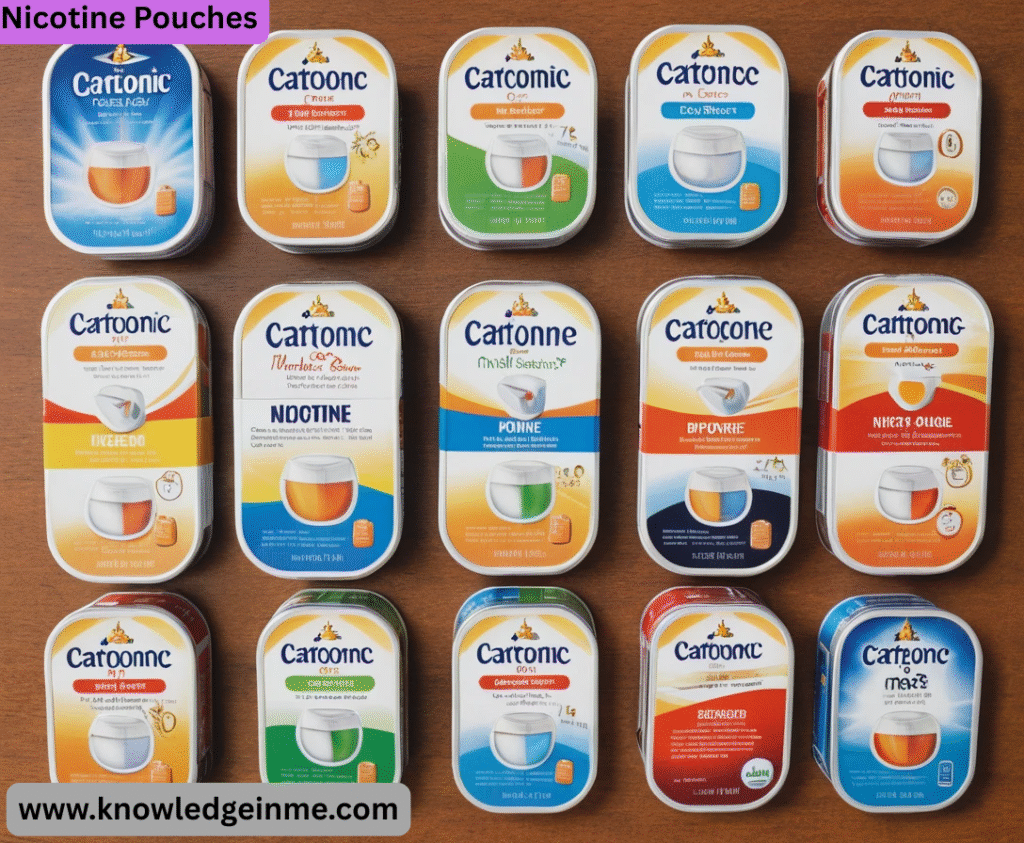

Nicotine Pouches Of course. Here is a comprehensive overview of nicotine pouches.

What Are Nicotine Pouches?
- Nicotine pouches are small, white pouches containing nicotine, flavorings, sweeteners, and plant-based fibers. They do not contain tobacco leaf.
- Key Feature: They are tobacco-free. The nicotine is synthetically produced or extracted from tobacco plants and then purified.
- How They Work: You place a pouch between your gum and upper lip. The nicotine and flavors are released slowly over time as your saliva moistens the pouch.
- Appearance: They look similar to snus (a Swedish smokeless tobacco product) but are distinguished by the absence of tobacco.
Why Do People Use Them?
- Smoking Cessation: Many people use them as an alternative to smoking or vaping, hoping to reduce their harm exposure or quit nicotine entirely.
Discreet and Convenient: They are odorless, don’t require spitting, and can be used in places where smoking or vaping is prohibited. - Flavor Variety: They come in a wide array of flavors, from mint and berry to coffee and cinnamon.
- Perceived “Cleanliness“: Being tobacco-free and not requiring spitting is seen as a cleaner alternative to traditional smokeless tobacco.
Brands and Strengths
- The market has grown rapidly, with many brands available. Common brands include ZYN, VELO, ON!, Rogue, and Lucy.
- Nicotine Strengths vary widely, typically measured in milligrams per gram (mg/g) or sometimes as “mg/pouch.” They are often categorized as:
- Low/Ultra Light: (e.g., 3-4 mg/pouch)
- Regular/Medium: (e.g., 6-8 mg/pouch)
- Strong: (e.g., 10-12 mg/pouch)
- Extra Strong/Extreme: (e.g., 15-20+ mg/pouch)
Potential Benefits and Risks
Potential Benefits (Relative to Smoking)
- Harm Reduction: Public Health England and other bodies have stated that non-combustible nicotine products are significantly less harmful than smoking. Since nicotine pouches contain no tobacco and are not burned, they avoid the thousands of toxic chemicals and tar produced by cigarettes.
- No Secondhand Smoke: They pose no risk to bystanders.
Known Risks and Side Effects
- Nicotine Addiction: The primary risk. Nicotine is highly addictive, and using these pouches maintains the addiction.
- Gum and Tooth Irritation: The most common side effect is irritation, recession, or soreness of the gum at the placement site.
- Hiccups, Nausea, and Stomach Ache: Especially for new users or those who use a strength that is too high.
- Increased Heart Rate and Blood Pressure: Nicotine is a stimulant and has these effects.
- Unknown Long-Term Health Effects: As a relatively new product, the long-term health impacts (e.g., on cardiovascular health or oral health over decades) are not yet fully known.
Important Considerations
- Not Risk-Free: While likely much safer than smoking, they are not “healthy.” The best option for health is to avoid all nicotine products.
- Not a FDA-Approved Cessation Product: Unlike nicotine gum or lozenges, nicotine pouches are not approved as smoking cessation aids. They are regulated as “modern oral tobacco products” or similar, depending on the country.
- Gateway Concern: There is a concern, especially for youth, that flavored nicotine pouches could serve as a gateway to nicotine addiction or tobacco use.
- Regulation: The regulatory landscape is still evolving in many countries.

Advanced Usage and User Experience
The “Buzz” or “Kick”:
- The sensation is caused by nicotine stimulating the release of adrenaline and dopamine. New users or those using a higher strength than they are used to will feel this more strongly, often described as a lightheaded dizziness or a “rush.”
- Tolerance builds quickly, meaning the buzz diminishes over time, leading some users to seek stronger pouches—a cycle that can intensify addiction.

Technique Matters:
- “Flapping”: The act of moving the pouch around in your mouth with your tongue to stimulate different spots and control the nicotine release rate.
- Placement: The upper lip is standard. Placing it further forward (near the incisors) typically provides a faster, sharper release of nicotine and flavor. Placing it further back (near the molars) can be gentler on the gums for some users but may feel more intense initially.
- The “Drip”: This refers to the saliva that mixes with the contents of the pouch and is swallowed. Some flavors have a “sweeter drip,” while others are more neutral. This is a major point of discussion among users.
Duration and Disposal:
- Most users keep a pouch in for 15 to 60 minutes, or until the flavor and nicotine sensation fade.
- Disposal is simple: the used pouch is removed and thrown in the trash. They are not flushable.
The Social and Cultural Landscape
The “On! vs. ZYN” Debate:
- In the U.S., the two market leaders are often compared. ZYN pouches are generally known for being slightly larger, moister, and longer-lasting. ON! pouches are typically smaller, drier, and have a faster release. This is a matter of personal preference and fuels much of the online community discussion.
Online Communities:
- Reddit forums (like r/NicotinePouch) and YouTube channels are hubs for users. They share:
- Reviews: In-depth breakdowns of flavor, strength, pouch material, and drip.
- Hauls: Showcasing large orders, often from European websites for access to a wider variety of brands (e.g., Swedish brands like Ace, XQS, Killa).
- Vendor Discussions: Comparing domestic (U.S.) vendors to international ones in terms of price, selection, and shipping.
The Professional and Discreet Image:
- Nicotine pouches have been heavily marketed towards working professionals who can’t step away for a smoke break. The advertising often emphasizes productivity, freedom, and social acceptability compared to smoking or vaping.
- Regulatory Environment and Controversies
The Flavor Debate:
- This is the central controversy. Appealing flavors like “Cinnamon Chill,” “Coffee Zing,” and “Berry Frost” are criticized for being clearly targeted at younger audiences, mirroring the initial tactics of the vaping industry.
- Some countries and localities (like the EU and certain U.S. states) have begun to or are considering banning non-tobacco flavors to curb youth use.
The Swedish Model vs. The American Market:
- Sweden: As the birthplace of modern snus and nicotine pouches, Sweden has a culture of “snus use.” It has the lowest rates of smoking and smoking-related diseases in Europe, often cited as a real-world success story for harm reduction.
- USA: The market is newer and driven heavily by marketing and flavor innovation. The regulatory framework through the FDA’s Center for Tobacco Products (CTP) is complex. Manufacturers must submit a Pre-Market Tobacco Application (PMTA) to legally sell their products. Many are still under review, creating a regulatory gray area.
Environmental Impact:
- A less-discussed issue is the waste generated. The pouches are typically made of synthetic fibers and are not biodegradable. The millions of used pouches discarded daily represent a new form of microplastic pollution.
- Detailed Health Considerations
1. Oral Health Deep Dive:
Beyond general irritation, the specific concern is Gingival Recession—where the gum tissue pulls back from the tooth, exposing the sensitive root. This can lead to tooth sensitivity and cavities on the root surface. The constant presence of the pouch and its contents can abrade the gum line.
The pH level of some pouches can be acidic to enhance nicotine absorption, which may also contribute to enamel erosion over time.