
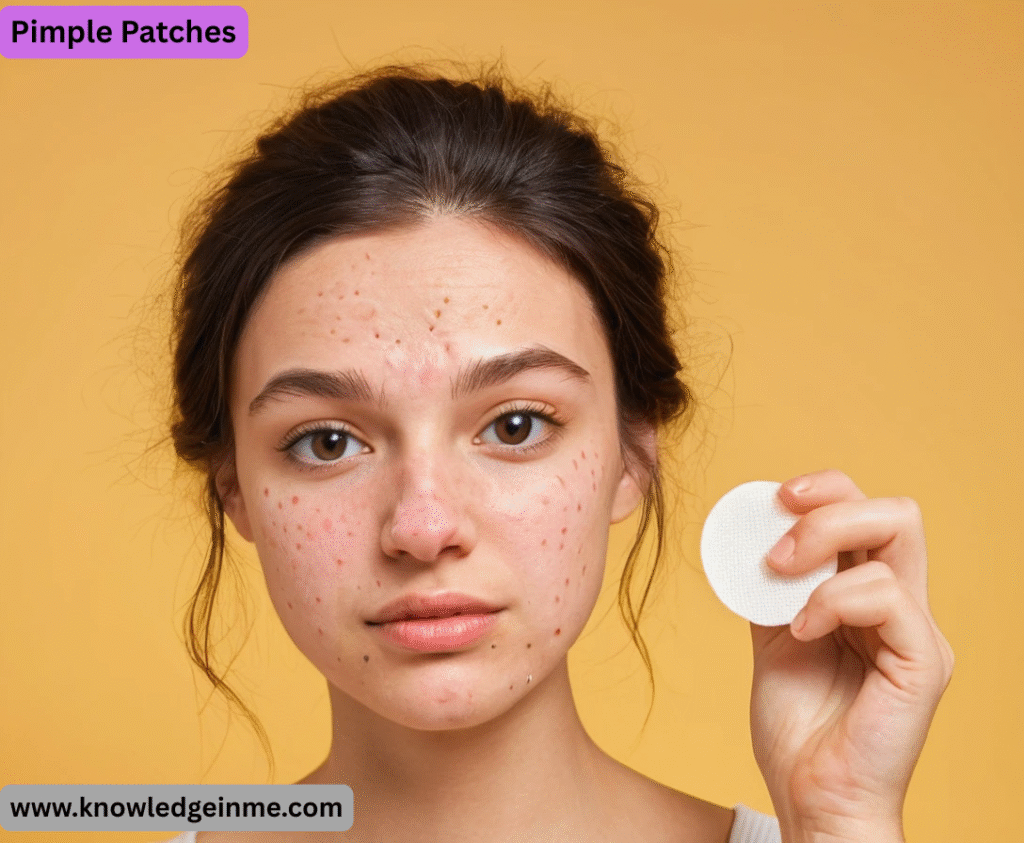

Pimple Patches Of course! Here is a comprehensive guide to everything you need to know about pimple patches.
What Are Pimple Patels?
- Pimple patches (also known as hydrocolloid patches or acne patches) are small, thin, adhesive bandages designed specifically to be placed over a pimple. They are typically made from a medical-grade material called hydrocolloid, which is also used in advanced wound care for blisters and ulcers.
- Their primary function is to create a moist, protected healing environment while absorbing excess fluid from a pimple.
How Do They Work?
The magic lies in the hydrocolloid material. Here’s the step-by-step process:
- Creates a Protective Barrier: Once applied, the patch seals the pimple off from external bacteria, dirt, and your fingers. This prevents further infection and stops you from picking, popping, or touching it.
- Absorbs Excess Fluid: The hydrocolloid material is super absorbent. IThis is why you often see a white circle on the patch after a few hours—that’s the fluid it has pulled out.
- Promotes Faster Healing: By maintaining a moist wound-healing environment, the patch helps the skin repair itself much more quickly than if it were left dry and exposed. This can significantly reduce overall healing time.
- Flattens and Reduces Inflammation: By draining the pimple, the patch physically reduces swelling and redness, making the blemish much less noticeable.
Popular Brands to Know:
- Hero Cosmetics Mighty Patch: The original crowd-favorite, great standard hydrocolloid patches.
- COSRX Acne Pimple Master Patch: Another hugely popular and affordable option.
- Zitsticka: Known for their high-tech microdart patches (KILLA) and skin-focused serums.
- Starface: Fun, star-shaped, yellow patches known for their aesthetic and social media presence.
- Peace Out Acne: Medicated dots with salicylic acid, retinol, and vitamin A.
How to Use Them Correctly
For the best results, follow these steps:
- Start with a Clean, Dry Face. Wash your face and pat the area completely dry. Any moisture or oil will prevent the patch from sticking properly.
- Do Not Pop the Pimple. The patch is designed for a pimple that is either coming to a head or has a tiny opening. If you forcefully pop it, you can cause more trauma and the patch may not be as effective.
- Peel and Apply. Select a patch that fully covers the pimple and the immediate surrounding area. Peel it from its backing and press it firmly onto the skin for 10-15 seconds to ensure a good seal.
- Leave It On. Wear the patch for at least 6 hours, but overnight (8+ hours) is ideal for maximum fluid absorption.
- Remove and Discard. Gently peel off the patch. If it’s difficult to remove, you can dampen the edges with a little water. Do not reuse a patch.
- Observe the Results. The pimple should be significantly flatter and less red. You can follow up with your regular skincare products.
Pros and Cons
Pros:
- Prevents Picking: This is a huge benefit for many people, preventing scarring and further irritation.
- Speeds Up Healing: Can cut healing time by a day or more.
- Reduces Redness and Swelling: Visibly calms the pimple.
- Protects from Bacteria: Creates a clean barrier.
- Inexpensive and Easy to Use: A low-risk, high-reward skincare tool.
Cons:
- Doesn’t Work on All Pimples: They are ineffective on blackheads and have limited effect on deep, blind cysts (unless you use microdart versions).
- Can Be Visible: Standard patches are noticeable, so they’re best for overnight or at-home use.
- May Not Stick Well: Can be difficult to stick on curved areas like the sides of the nose or if the skin is oily.
- Cost: While individual packs are cheap, frequent use can add up.
Frequently Asked Questions (FAQ)
Can I wear them under makeup?
- A: Yes, but use the “ultra-thin” or “invisible” varieties. Apply the patch to clean, dry skin, let it adhere fully, and then apply your makeup gently over it with a beauty sponge or a stippling brush.
Can I reuse a patch?
- A: No. Once a patch has absorbed fluid and you’ve peeled it off, it has lost its sterility and absorbency. Always use a fresh one.
Q: Why didn’t my pimple patch turn white?
- A: This usually means the pimple didn’t have much fluid to absorb. This can happen with pimples that are very deep, haven’t come to a head yet, or are already starting to heal. The patch may have still protected it and reduced inflammation.
Q: Can I cut the patches to fit?
- A: Yes! Many people cut the larger patches into smaller sizes to fit tiny pimples or awkward spots, which is a great way to save money.
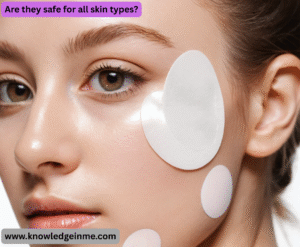
Are they safe for all skin types?
- A: Generally, yes. Since standard hydrocolloid patches contain no active ingredients, they are typically safe and non-irritating for all skin types, including sensitive skin. Always check the ingredients if you’re using a medicated version.
- In summary, pimple patches are a fantastic, targeted tool for managing specific types of acne. They are not a cure-all, but for surface-level whiteheads and pimples with a head, they can be a true game-changer for your skincare routine.
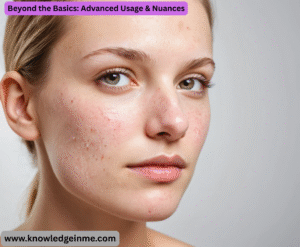
Beyond the Basics: Advanced Usage & Nuances
The “Lance-and-Patch” Method (Proceed with Caution)
- Sometimes a pimple has a visible, ready-to-go head, but the skin is still intact. Dermatologists often recommend a controlled approach:
- Tools: Sterilize a fine-gauge lancet (the kind used for diabetics) or a needle with rubbing alcohol.
- Action: Gently prick the very tip of the whitehead. Don’t dig or squeeze.
- Goal: This creates a tiny, controlled exit point for the pus.
- Immediately After: Wipe away the initial fluid with a clean tissue, then immediately apply a pimple patch. The patch will now be able to absorb the remaining fluid much more effectively.
Layering with Actives
You can supercharge your patches by pairing them with your existing skincare:
- Before the Patch: After cleansing, apply a thin layer of a treatment product like salicylic acid (to penetrate the pore) or benzoyl peroxide (to kill bacteria) directly to the pimple. Let it dry completely, then apply the standard hydrocolloid patch. The patch will seal the active ingredient in, enhancing its penetration.
- After the Patch: Once you remove the patch in the morning, you can continue with your treatment products on the now-flatter blemish to tackle any remaining redness or hyperpigmentation.
Using Them as a “Preemptive Shield”
- Going to a sweaty gym, a dusty event, or know you’ll be wearing heavy makeup? Placing a thin, invisible patch over a pimple that’s starting to form can act as a protective shield, preventing friction, bacteria, and makeup from making it worse.
Deep Dive into Ingredients in Medicated Patches
When you move beyond plain hydrocolloid, here’s what to look for:
- Salicylic Acid (BHA): The gold standard for acne. It exfoliates inside the pore, dissolving the mix of oil and dead skin cells that cause clogs. Best for inflammatory pimples and blackheads.
- Niacinamide: A multi-tasking hero. It helps calm redness, regulate oil production, and improve the skin’s barrier function. Often found in patches aimed at reducing post-acne redness.
- Centella Asiatica (Cica): A powerful soothing and reparative ingredient. Excellent for calming angry, inflamed pimples and supporting the skin’s healing process.
- Hyaluronic Acid in Microdarts: The “darts” aren’t just for delivery; the HA itself helps to plump the skin, delivering hydration deep down to help dissolve the hardened debris in a cystic pimple.