
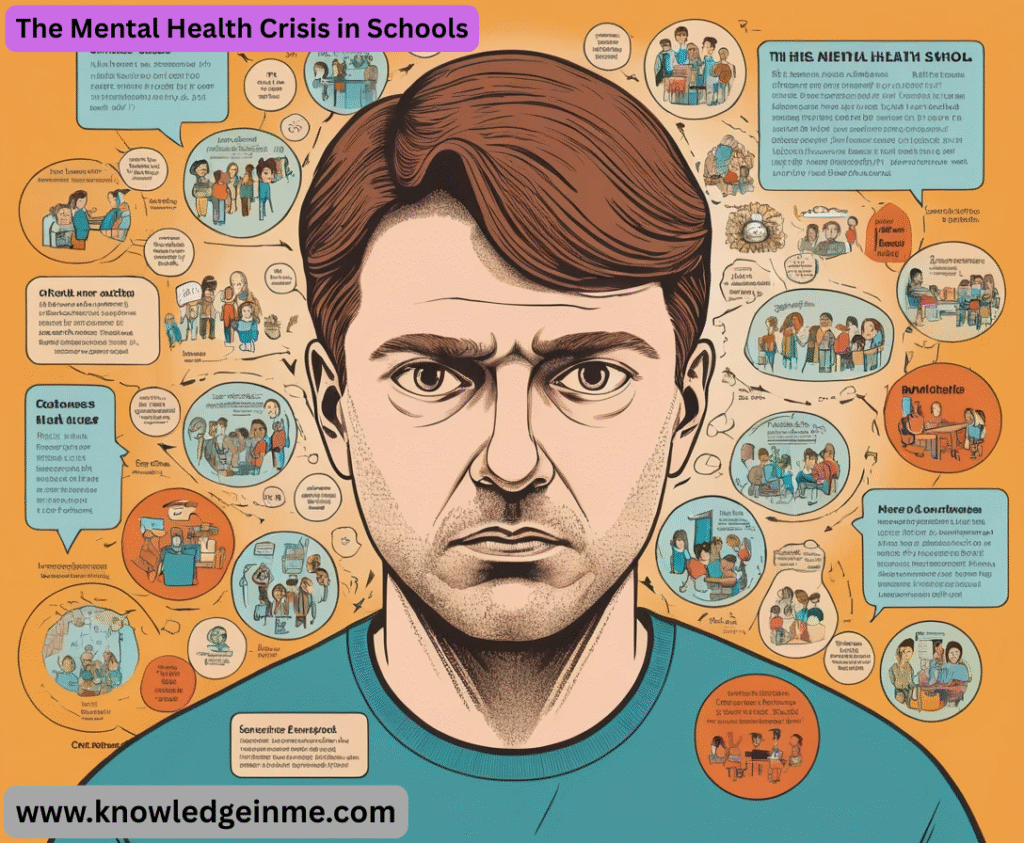

The Mental Health Crisis in Schools Of course. Here is a comprehensive overview of the mental health crisis in schools, covering its causes, manifestations, and potential solutions
The Mental Health Crisis in Schools: An Overview
- The mental health crisis in schools is a pervasive and escalating issue affecting students of all ages, backgrounds, and communities. It is no longer a niche concern but a central challenge that impacts academic achievement, school safety, and the overall well-being of an entire generation.
- This crisis is characterized by a significant increase in the prevalence and severity of mental health disorders among students, coupled with a systemic inability of many school districts to provide adequate support and resources.
Key Manifestations of the Crisis
- The crisis doesn‘t look the same for every student, but common manifestations in the school environment include:
- Rising Rates of Anxiety and Depression: These are the most common mental health challenges. Students may exhibit excessive worry, avoidance of school or social situations, irritability, persistent sadness, and a loss of interest in activities they once enjoyed.
- Increased Suicidal Ideation and Self-Harm: Emergency room visits for suicide attempts and self-harm among youth have risen dramatically. Schools are often on the front lines of identifying and responding to these acute crises.
- Behavioral Issues and Disruption: Underlying anxiety, depression, or trauma can manifest as anger, defiance, an inability to focus, and classroom disruptions. These are often misinterpreted as purely disciplinary problems.
- Chronic Absenteeism: Students struggling with their mental health may avoid school altogether due to bullying, academic pressure, or social anxiety.
- Academic Struggles: Mental health challenges directly impair cognitive functions like concentration, memory, and executive functioning, leading to declining grades and a failure to meet academic potential.
- Social Withdrawal: Students may isolate themselves from peers and adults, both in person and online, exacerbating feelings of loneliness and depression.
Root Causes and Contributing Factors
- The crisis is multi-faceted, driven by a complex interplay of societal, academic, and technological factors.
The Impact of the COVID-19 Pandemic:
- Social Isolation and Loss: The pandemic caused profound disruption to social development, routines, and led to grief and loss.
- Academic Disruption: Learning loss and the stress of remote learning created significant academic anxiety and gaps in knowledge.
- Family Stress: Economic instability, illness, and increased family tensions during lockdowns contributed to student trauma.
The Role of Social Media and Technology:
- 24/7 Social Pressure: Constant connectivity leads to cyberbullying, social comparison (“fear of missing out”), and curated online personas that distort reality.
- Sleep Deprivation: Excessive screen time, especially before bed, disrupts sleep patterns, which is crucial for mental health.
- Information Overload and Doomscrolling: Students are exposed to a constant stream of negative news and global crises.

Academic and Performance Pressure:
- High-Stakes Testing: The pressure to perform well on standardized tests creates immense anxiety.
- College Admissions Competition: An intense focus on building a “perfect” resume filled with AP classes, sports, and extracurriculars leads to burnout.
- Fear of Failure: A culture that stigmatizes mistakes can make students afraid to take academic risks.
External Societal Pressures:
- Economic Uncertainty: Anxiety about future job prospects and student debt.
- Climate Anxiety: Fear and distress about the future of the planet.
- Political Polarization and Social Unrest: Exposure to contentious public discourse and worries about issues like gun violence in schools.
- Trauma: Many students come to school dealing with the effects of poverty, racism, food insecurity, housing instability, or violence in their communities.
Systemic Gaps and Insufficient Resources:
- Shortage of Mental Health Professionals: The ratio of school counselors, psychologists, and social workers to students is often far below recommended levels (e.g., the recommended ratio for school counselors is 250:1, but many states have ratios over 400:1).
- Funding Inequities: Schools in low-income areas often have the greatest needs and the fewest resources.
- Stigma: Persistent stigma around mental illness prevents students from seeking help.
Potential Solutions and a Multi-Tiered Approach
- Addressing the crisis requires a systemic, multi-tiered approach that involves the entire school community.
Universal Prevention (For All Students)
- Social-Emotional Learning (SEL) Integration: Embedding SEL into the curriculum to teach all students skills in self-awareness, self-management, social awareness, relationship skills, and responsible decision-making.
- Mental Health Literacy: Teaching students about mental health, just like physical health, to reduce stigma and help them identify when they or a friend need support.
- Positive School Climate: Fostering a school culture of belonging, inclusivity, and safety where students feel connected to caring adults and peers.
- Staff Training: Training all school staff—from teachers to bus drivers—to recognize the signs of mental distress and know how to respond appropriately.
Early Intervention (For At-Risk Students)
- Screening Programs: Implementing voluntary mental health screenings to identify students who may need support early on.
- Small Group Counseling: Offering groups for students dealing with common issues like grief, social anxiety, or divorce.
- Check-in/Check-out (CICO) Programs: Providing at-risk students with daily structured time with a positive adult mentor.
Intensive Intervention (For Students in Crisis)
- Increased Access to School-Based Therapists: Having licensed mental health professionals on staff to provide individual and family therapy.
- Strong Community Partnerships: Establishing clear referral pathways to community mental health providers, crisis services, and hospitals.
- Re-entry Plans: Creating supportive plans for students returning to school after a mental health crisis or hospitalization.
Systemic and Policy Changes
- Increase Funding: Legislators must prioritize funding for school-based mental health services, including hiring more counselors and psychologists.
- Revise Policies: Move away from zero-tolerance disciplinary policies that disproportionately punish students with unmet mental health needs and toward restorative justice practices.
- Partner with Families: Actively engage parents and caregivers as partners in supporting student well-being.
The Deepening Crisis: Nuances and Emerging Trends
1. The Impact on Specific Groups:
- High-Achieving Students: Often overlooked, these students face immense internal and external pressure to be “perfect,” leading to crippling anxiety, burnout, and a fragile sense of self-worth tied entirely to achievement.
- Students with Disabilities: Those with learning differences, ADHD, or autism spectrum disorder often experience co-occurring anxiety and depression, exacerbated by academic struggles and social challenges. Their behavior can be mislabeled as purely disciplinary.
- LGBTQ+ Youth: This group faces significantly higher rates of bullying, family rejection, and internalized shame, leading to disproportionately high rates of depression, self-harm, and suicidal ideation.
- Students of Color: They may face racial trauma, microaggressions, and systemic inequities within the school system. The stigma around mental health in some communities can be a double barrier to seeking help.
The Changing Role of Educators:
- Teachers are now expected to be first responders to mental health crises, a role for which they are largely untrained and uncompensated. This leads to:
- Secondary Traumatic Stress: Educators are absorbing the trauma and emotional distress of their students, leading to their own burnout, compassion fatigue, and high attrition rates from the profession.
- The “What About Us?” Question: While student mental health is paramount, the well-being of the adults in the building is a critical, and often missing, part of the solution. Schools cannot pour from an empty cup.
The Digital Dilemma:
Beyond general social media use, specific issues include:
- The Algorithmic Trap: Platforms are designed to keep users engaged, often by promoting extreme content, fostering social comparison, and creating echo chambers that can normalize self-harm or eating disorders.
- The “Always-On” Social Scene: School drama no longer ends at 3 PM; it continues 24/7 via group chats and social media platforms, offering no respite for students.
- The Debate Around Solutions: Challenges and Complexities

The “Band-Aid” vs. “Root Cause” Dilemma:
True change requires addressing root causes like academic pressure, social media’s harms, and societal inequities—a much taller order.
The Measurement Problem:
How do we know if interventions are working? Improved attendance? Higher student self-reports of well-being? A combination? This makes it difficult to justify and sustain funding for programs.
The Curriculum Squeeze:
- With an already packed curriculum focused on standardized test scores, where do schools find the time for SEL? Is it a standalone class? Integrated into English and History? This requires significant teacher training and a shift in educational priorities, which can meet resistance.
The Privacy and Parental Consent Conundrum:
- How do schools balance a student’s desire for confidential counseling with parents’ right to know?
- What are the legal and ethical responsibilities, especially in states with varying laws on minor consent for mental health services?
- This can create a tense triangle between the student, school, and family.
The Smartphone in the Classroom:
- This is one of the most heated debates. Potential solutions range from:
- Phone Lockers/Yondr Pouches: Physically restricting access during the school day.
School-Wide “Off and Away” Policies.
Educational Integration: Teaching digital literacy and mindful use.
- Opponents cite safety concerns (e.g., contacting parents during an emergency) and pushback from students and parents.
A Call to Action: What Does Success Look Like?
- Moving beyond crisis management means envisioning a school where:
- Well-Being is Integrated, Not Add-On: Mental health is not a separate program but is woven into the fabric of the school’s culture, curriculum, and daily interactions.
- Students are Equipped, Not Just Educated: Graduates possess not only academic knowledge but also the resilience, emotional intelligence, and coping skills to navigate life’s challenges.
- The Stigma is Eradicated: Talking about seeing a therapist is as normal as talking about seeing a tutor for math.
- The System is Fully Funded and Staffed: Every school has a ratio of mental health professionals to students that meets or exceeds national recommendations, and teachers are trained and supported in their role as caring adults.