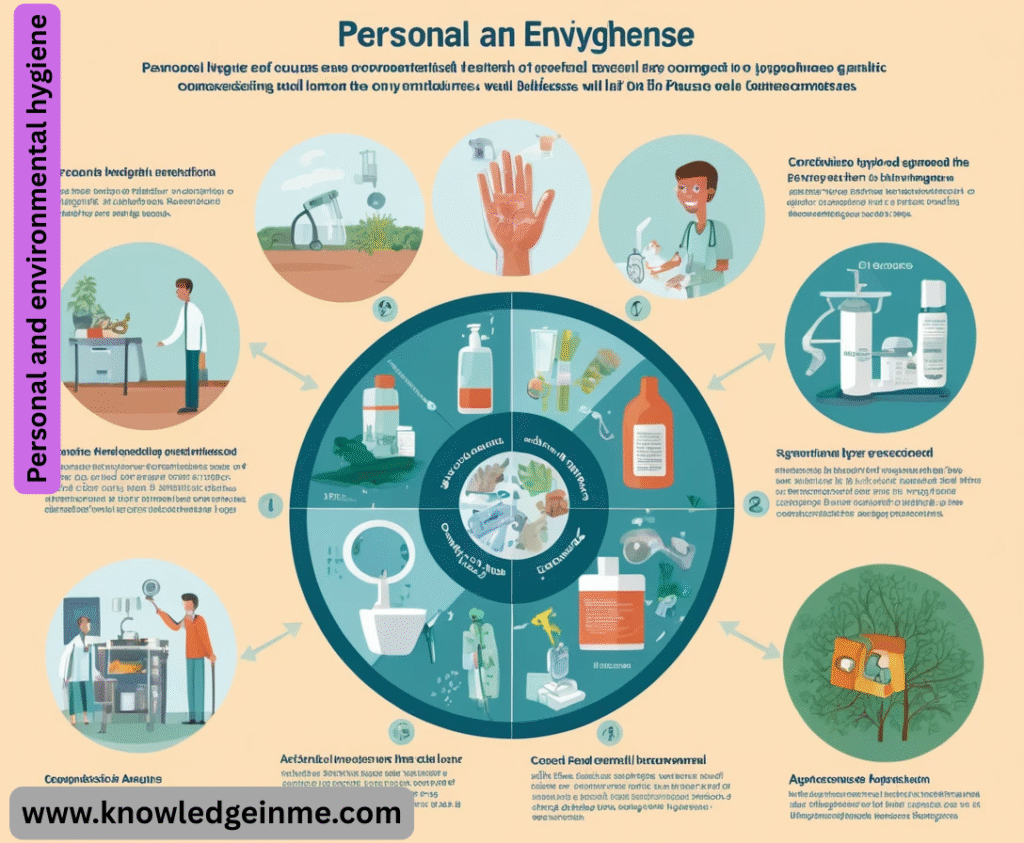

Personal and environmental hygiene Of course. Personal and environmental hygiene are two interconnected pillars of public and individual health. Together, they form the first and most crucial line of defense against infectious diseases and contribute significantly to overall well-being. Here’s a comprehensive breakdown of both concepts.
Personal Hygiene
- Personal hygiene refers to the practices an individual carries out to maintain their own health and well-being through cleanliness. It’s about caring for your own body.
Key Practices:
- Hand Hygiene: The single most important practice for preventing the spread of illness.
- How: Wash hands thoroughly with soap and water for at least 20 seconds, especially after using the toilet, before eating, after coughing/sneezing, and after handling garbage.
- Alternative: Use an alcohol-based hand sanitizer (at least 60% alcohol) if soap and water are not available.
- Oral Hygiene: Prevents dental problems like cavities, gum disease, and bad breath.
- How: Brush teeth at least twice a day and floss daily. Regular dental check-ups are also essential.
- Bathing/Showering: Removes dirt, sweat, dead skin cells, and bacteria from the skin.
- How: Bathe or shower regularly with soap and water to prevent body odor and skin infections.
- Nail Hygiene: Prevents the buildup of dirt and germs that can be transferred to the mouth and eyes.
- How: Keep nails trimmed and clean. Avoid biting nails.
- Respiratory Hygiene: Crucial for preventing the spread of airborne diseases (e.g., COVID-19, flu, colds).
- How: Cough or sneeze into a tissue or your elbow, not your hands.
- Hair and Scalp Care: Prevents head lice, dandruff, and other scalp conditions.
- How: Wash hair regularly with shampoo.
- Clothing Hygiene: Wearing clean clothes helps maintain healthy skin and prevents body odor.
- How: Change and wash clothes regularly, especially underwear and socks.
Benefits of Good Personal Hygiene:
- Reduces the risk of illness and infection.
- Improves self-esteem and mental well-being.
- Promotes positive social and professional interactions.
- Prevents the spread of germs to others.
Environmental Hygiene
- Environmental hygiene involves maintaining clean and safe surroundings to prevent the spread of diseases where people live, work, and play. It’s about caring for the community’s health.
Key Areas and Practices:
Safe Water and Sanitation:
- How: Ensure access to clean, potable water. Proper disposal of human waste through connected sewage systems or properly constructed latrines/toilets to prevent water contamination.
Food Safety:
- How: Properly store, handle, and cook food to prevent foodborne illnesses. This includes washing fruits and vegetables, keeping raw and cooked foods separate, and cooking food to safe temperatures.
Waste Management:
- How: Proper disposal of solid waste (garbage) through regular collection in covered bins. This prevents the breeding of pests like rats, flies, and mosquitoes that can spread disease.
Vector Control:
- How: Managing the environment to minimize populations of disease-carrying organisms (vectors). This includes eliminating stagnant water (to prevent mosquitoes), keeping food sealed (to prevent ants and cockroaches), and sealing cracks (to prevent rodents).
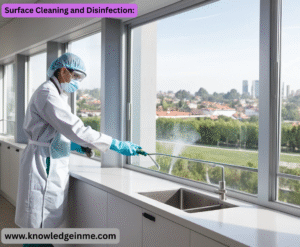
Surface Cleaning and Disinfection:
- How: Regularly cleaning and disinfecting frequently touched surfaces in homes, schools, offices, and public spaces (e.g., doorknobs, light switches, countertops, railings).
Ventilation:
- How: Ensuring good air flow in indoor spaces by opening windows or using ventilation systems. This reduces the concentration of airborne pathogens and pollutants.
Benefits of Good Environmental Hygiene:
- Personal and environmental hygiene Drastically reduces the transmission of infectious diseases on a community-wide scale.
- Controls and eliminates breeding grounds for pests and vectors.
- Prevents contamination of water and food sources.
- Creates a more pleasant and livable environment.
The Crucial Link Between Personal and Environmental Hygiene
- These two concepts are deeply intertwined. An individual’s hygiene practices directly impact the environment, and the state of the environment affects everyone’s health.
- Example 1: If a person with diarrhea does not practice good personal hygiene (e.g., doesn’t wash hands), they can contaminate the environment (e.g., door handles, food). Others who touch these contaminated surfaces can then become infected. Proper environmental hygiene (cleaning the surfaces) breaks this chain.
- Example 2: If a community has poor environmental hygiene with uncollected garbage, it will attract disease-carrying rodents. Even individuals with good personal hygiene are at risk of diseases like leptospirosis from environments contaminated by rat urine.
Going Beyond the Basics
Personal Hygiene: The Nuances
- The “How” of Handwashing: It’s not just about duration, but technique.
- The Steps: Wet hands, lather with soap, and scrub all surfaces: palms, back of hands, between fingers, under nails (a key germ harbor!), and thumbs. This should take 20 seconds (sing “Happy Birthday” twice). Rinse thoroughly and dry with a clean towel or air dryer. Damp hands transfer germs more easily than dry ones.
Oral Hygiene is Health, Not Just Beauty:
- The Link: Poor oral health is linked to serious systemic issues like cardiovascular disease, endocarditis, and complications in pregnancy.
- Best Practice: Brush for two minutes, twice a day. Don’t forget to brush your tongue. Flossing is non-negotiable for gum health. Consider an antimicrobial mouthwash.
Hair and Skin Are Different:
- Not One-Size-Fits-All: Over-washing hair can strip natural oils, leading to a dry scalp. Similarly, overwashing skin, especially with harsh soaps, can damage the skin barrier. The frequency of bathing/hair washing should be tailored to your skin type, hair type, and activity level.
- Focus on Key Areas: Even if not showering daily, it’s crucial to wash key areas daily (face, underarms, groin, feet) to prevent odor and infection.
The Hygiene of Sleep:
- Often Overlooked: Changing bed sheets regularly (e.g., weekly) is a key part of personal hygiene. We shed skin cells, sweat, and oils all night, creating an ideal environment for dust mites and bacteria.
Environmental Hygiene: Expanding the Scope
The Hierarchy of Cleaning:
- Clean vs. Disinfect: These are different steps.
- Cleaning: Removes dirt, grime, and some germs by scrubbing with soap and water. It is the essential first step.
- This is critical for high-touch areas (bathrooms, kitchen counters, doorknobs).
- Sanitizing: Reduces germs to a safe level, often used for food contact surfaces.
The “Hot Zones” in a Home:
- Kitchen: The highest bacterial concentration in most homes is often the kitchen sponge/dishcloth. Sanitize sponges regularly (microwave damp sponge for 1-2 minutes or run through dishwasher) and replace them often. Clean the sink, cutting boards (especially after raw meat), and refrigerator handles.
- Bathroom: Focus on toilets, faucet handles, and floors. Ensure good ventilation to reduce mold-growing moisture.
- Living Area: Remote controls, light switches, phone screens, and computer keyboards are high-touch and rarely cleaned.
- Beyond the Home: Public Health Infrastructure:
- Environmental hygiene on a societal scale is about engineering and policy.
- Water Treatment Plants: They purify drinking water through filtration and chlorination.
- Sewage Treatment Plants: They process waste water to remove harmful contaminants before it is released back into the environment.
- Public Sanitation: Regular garbage collection, landfill management, and pest control programs are all fundamental to urban environmental hygiene.
The “Why”: The Science of Breaking the Chain of Infection
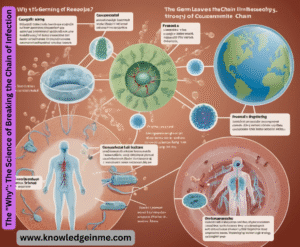
Personal and environmental hygiene Every infection requires a “chain” of events to spread. Hygiene practices break specific links in this chain:
- Infectious Agent: The germ (bacteria, virus, fungus).
- Reservoir: The place where the germ lives (e.g., a person, animal, soil, water).
- Portal of Exit: How the germ leaves the reservoir (e.g., through coughs/sneezes, feces, blood).
- Mode of Transmission: How the germ travels.
- Contact: (This is where most hygiene focuses)
- Direct: Person-to-person touch.
- Indirect: Touching a contaminated surface (a fomite).
- Droplet: Inhaling cough/sneeze droplets from nearby.
- Airborne: Inhaling smaller, suspended particles.
- Vector-borne: Via an insect like a mosquito.
- Portal of Entry: How the germ enters a new host (e.g., mouth, nose, eyes, a cut).
- Susceptible Host: A person who is not immune.
How we break the chain:
- Personal Hygiene (Handwashing, respiratory etiquette) breaks the chain at Mode of Transmission and Portal of Entry.
- Environmental Hygiene (Cleaning, disinfecting, waste management) breaks the chain at Mode of Transmission (by removing germs from surfaces) and eliminates Reservoirs.
Modern Challenges and Concepts
- Hygiene Hypothesis: This theory suggests that a lack of exposure to microbes in early childhood can suppress the natural development of the immune system, leading to higher rates of allergies and asthma. The key is understanding that hygiene is not about creating a sterile environment, but about targeted action against pathogens. It’s about washing hands after using the bathroom, not eliminating a child’s play in the dirt.
- Antimicrobial Resistance: The overuse and misuse of antibacterial soaps and cleaners can contribute to bacteria evolving to survive them, creating “superbugs.” For most household purposes, regular soap and water is just as effective as antibacterial products and does not carry the same resistance risk.
- Sustainable Hygiene: The intersection of health and environmentalism. Examples include:
- Using reusable cleaning cloths instead of paper towels.
- Choosing concentrated cleaning products to reduce plastic waste.
- Being mindful of water usage while maintaining handwashing efficacy.