
Professional and Amateur Sports Of course. The distinction between professional and amateur sports is a fundamental aspect of the modern sporting world, encompassing differences in motivation, structure, economics, and culture. Here is a comprehensive breakdown of professional and amateur sports.
Deep Dive into Professional Sports
- Professional sports are a multi-billion dollar global industry where athletic performance is a career.
Characteristics:
- Financial Engine: Revenue is generated through ticket sales, broadcasting rights, merchandising, and sponsor ships. This revenue funds player salaries, which can be astronomical for top stars.
- Business Structure: Teams are often owned by corporations or wealthy individuals and operate as businesses focused on profitability and brand value.
- High-Stakes Competition: The pressure to win is immense due to financial investments and public expectations. This can lead to intense rivalries and a “win-at-all-costs” mentality.
- Athlete Lifestyle: Athletes are employees. Their lives are dedicated to training, recovery, nutrition, and film study. Careers can be short due to the physical demands and risk of injury.
- Path to Pro: Typically involves excelling at youth and amateur levels (e.g., college sports in the U.S.) before being drafted or signed by a professional team.
- Examples: The NFL, NBA, English Premier League, MLB, NHL, ATP/WTA Tennis Tour, PGA Tour.
- Deep Dive into Amateur Sports
- Amateur sports are driven by participation, passion, and the pure spirit of competition without financial incentive.
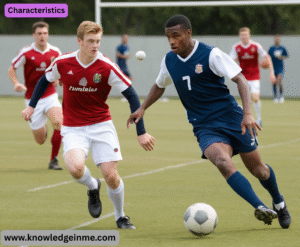
Characteristics:
- The “Pure” Ideal: Rooted in the 19th-century British concept of “amateurism”—competing for the love of the game rather than monetary reward. This ideal has largely eroded at the highest levels but remains the core of community sports.
- Governance and Rules: Strict rules (historically and in organizations like the NCAA) often prohibit or limit payment to athletes to maintain a distinction from professionalism.
- The Participant Focus: The primary goal is often personal achievement, health, camaraderie, and fun.
The Modern Reality:
- NCAA athletes are considered amateurs but generate massive revenue for their schools, leading to ongoing debates about name, image, and likeness (NIL) rights and compensation.
- Examples: Local recreational leagues (softball, soccer, basketball), youth sports, most college sports (NCAA), the Olympics (historically), and the Commonwealth Games.
The Blurring Line: The Modern Gray Area
The clear distinction between professional and amateur has significantly blurred, creating a large gray area:
- “Shamateurism”: A term from the Cold War era where state-sponsored “amateur” athletes from Eastern Bloc countries were effectively full-time professionals supported by the state, while Western amateurs had to hold jobs.
- College Athletics: The NCAA model is the biggest gray area. Athletes receive scholarships (worth tens of thousands of dollars) and world-class training facilities but are not paid salaries. The recent introduction of NIL rules allows them to profit from endorsements, further blurring the line.
- Olympics and World Championships: Today, the Olympics feature millionaire NBA stars, professional hockey players, and tennis pros competing alongside athletes from sports with minimal earning potential who must still work other jobs.
- Semi-Professional Sports: Many leagues exist where players are paid, but not enough to make a living, requiring them to have a second job. This is common in lower-tier football leagues, minor league baseball, and many rugby leagues.onal and Amateur Sports
The Historical Divide: How We Got Here
- The strict separation between amateur and professional is a relatively modern concept, largely invented by the upper-class English gentry in the 19th century.
- The Amateur Ideal: For groups like the Marylebone Cricket Club (MCC) and the founders of the modern Olympics, Pierre de Coubertin, amateurism was a code of ethics. A true amateur was a “gentleman” who played sport for its own sake, without financial motive. This was often a veiled way to exclude the working class, who could not afford to train and compete without monetary compensation.
- The Professional Reality: Meanwhile, working-class athletes needed to be paid to take time off work to compete. This led to the rise of “professional” leagues in football, rugby, and baseball. They were often seen as crass and corrupt compared to the “pure” amateurs.
- The Olympic Rule: For decades, the IOC enforced strict amateur rules, barring anyone who had ever received payment for athletic performance.growing commercial pressures made this model unsustainable, leading to the “Open Era” in the Olympics and other major events.
The Amateurism Debate: The Case of the NCAA
- The National Collegiate Athletic Association (NCAA) in the United States is the epicenter of the modern amateurism debate.
The Traditional NCAA Model (The “Amateur” Ideal):
- Student-Athlete: Athletes are primarily students. Compensation is limited to athletic scholarships covering tuition, room, and board.
- Rationale: This preserves the educational mission of universities, maintains competitive balance, and distinguishes college sports from professional leagues.
- The Problem: The system generates billions of dollars in revenue from TV contracts, ticket sales, and merchandise, largely built on the unpaid labor of the athletes. Coaches and administrators earn multi-million dollar salaries, while athletes faced strict rules against earning any money from their own fame.
The Shift Name Image and Likeness NIL
- What it is: Recent laws and NCAA policy changes now allow college athletes to profit from their Name, Image, and Likeness.
- The Impact: This has fundamentally blurred the line.
- The Gray Area: NIL has not resolved the debate; it has complicated it.
The Psychological and Cultural Impact
For the Professional Athlete:
- Identity: Their sport is their identity. Retirement can be a massive psychological challenge.
- Pressure: Constant scrutiny from media, fans, and management can lead to significant mental health challenges.
- Community: They are often isolated in “bubbles” of other professionals and staff.
For the Amateur Athlete:
- Balance: Sport is one part of a balanced life that includes family, career, and other interests.
- Purity of Motivation: The primary drive is often intrinsic (love of the game) rather than extrinsic (money, fame).
- Community: Amateur sports are often deeply woven into the fabric of local communities and social circles.
Conclusion: A Spectrum, Not a Binary
- Today, it’s more accurate to view sports as a spectrum rather than a simple binary choice.
- On one end, you have pure amateurs playing in a local recreational league for fun.
- On the other end, you have global superstars like LeBron James or Lionel Messi, for whom sport is a massive business enterprise.
- In the middle, you find the vast and messy gray area: the college football star with a million-dollar NIL deal, the Olympic shot-putter who works as a teacher to support their training, the semi-pro soccer player balancing games with a day job.